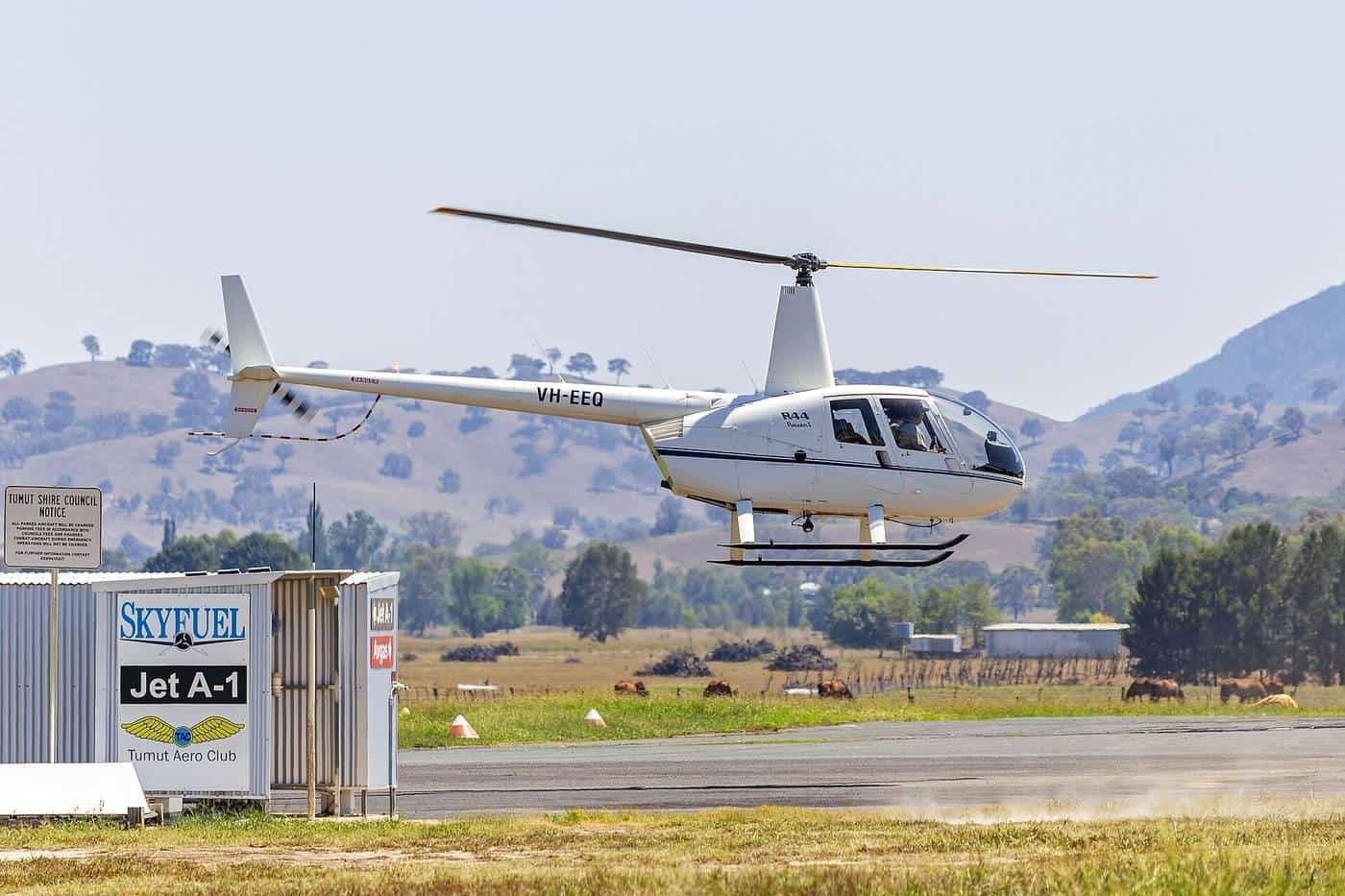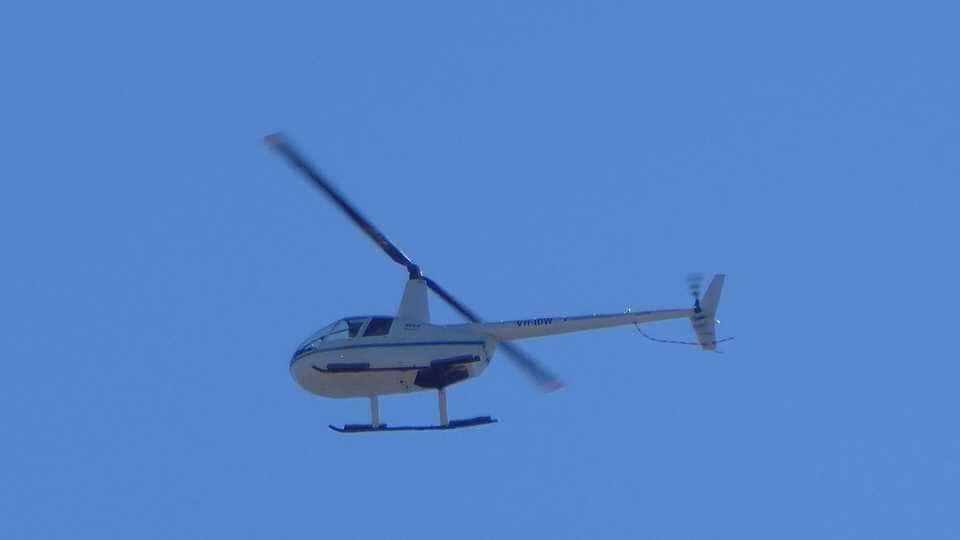
For some passengers, one scenic flight is enough. For others, it sparks a desire to take the controls. Helicopters are among the most demanding aircraft to learn to fly, because they require constant, coordinated control of several inputs at once, especially when hovering. But learning to fly a helicopter is achievable for many people, whether as a hobby or a career.
This guide covers trial instructional flights, the licences available in Australia, medical requirements, training pathways and how to choose a flight school.
Part 61
Licensing rules
Civil Aviation Safety Regulations
RPL, PPL, CPL
Main licence types
With a helicopter rating
Medical
Certificate required
Standard depends on licence
Trial instructional flights
A trial instructional flight is a short flight with a qualified flight instructor. After a briefing, you'll sit in the pilot's seat, and the instructor will let you try the controls in stages, often starting with gentle turns in forward flight. Hovering is notoriously tricky for beginners, and many instructors let you try it under close supervision.
Trial flights are offered by flight schools at airports around Australia. They're a good way to find out whether you enjoy flying before committing to training, and they're popular as gifts. Some schools count the flight time towards training.
How helicopter controls work
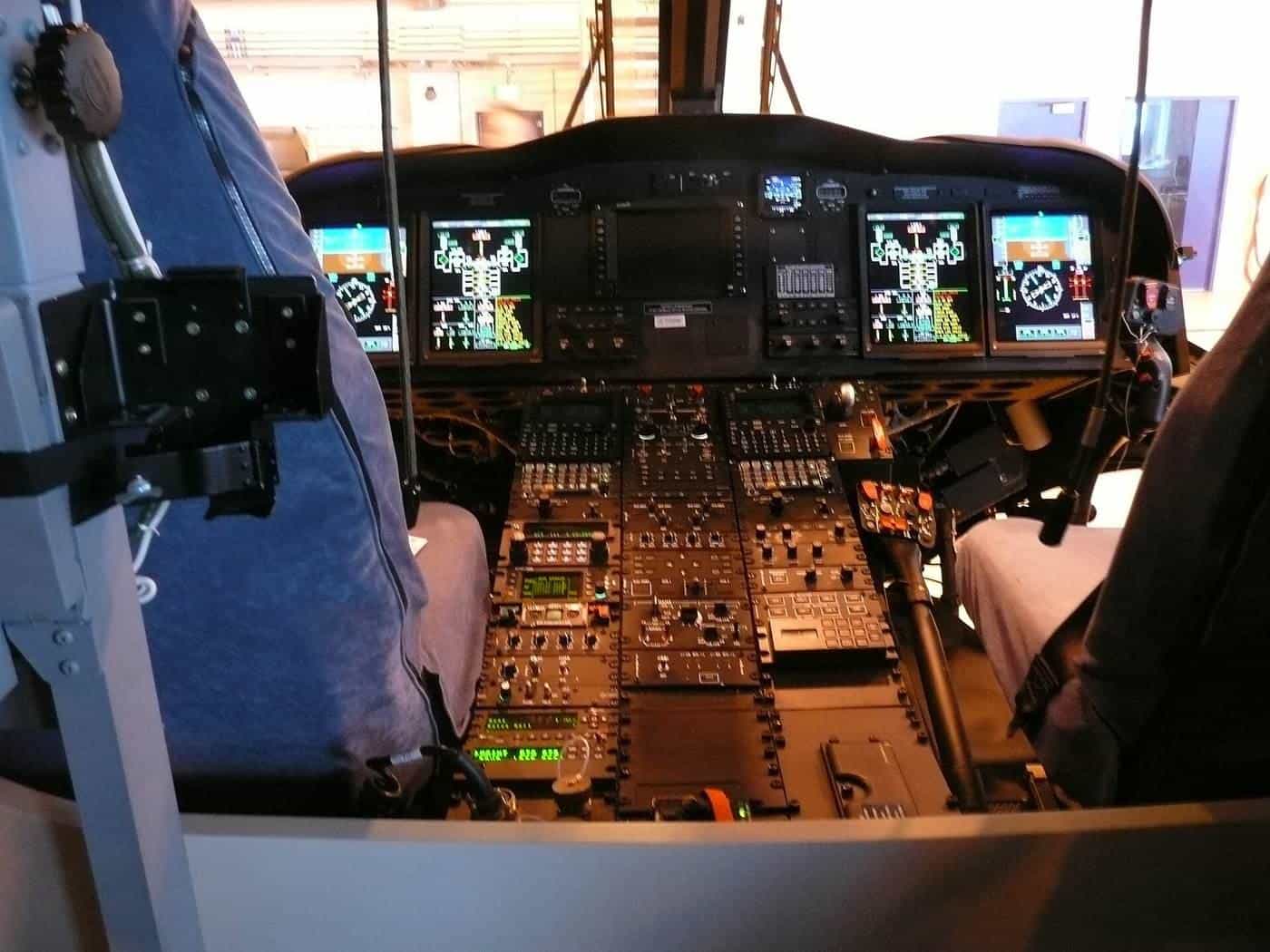
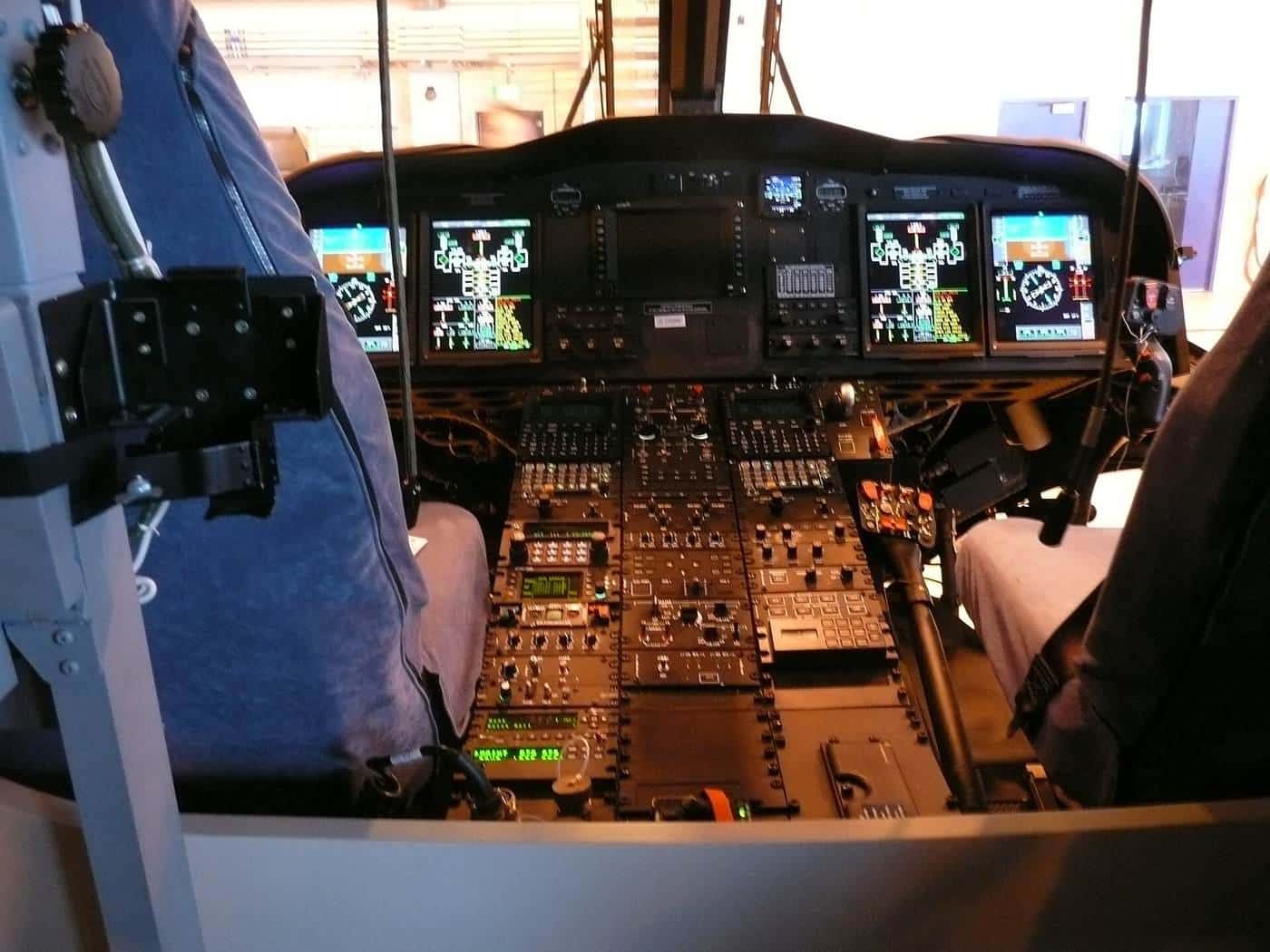
Helicopters have three main flight controls:
- The cyclic, a stick between the pilot's knees, tilts the main rotor to move the helicopter forwards, backwards and sideways.
- The collective, a lever at the pilot's left side, changes the pitch of all the main rotor blades together, controlling climb and descent.
- The anti-torque pedals control the tail rotor, which counters the rotor's torque and controls the direction the nose points.
Each control affects the others, so the pilot must coordinate them constantly. This is why hovering takes practice.
Licences in Australia
CASA, the Civil Aviation Safety Authority, issues pilot licences under Part 61 of the Civil Aviation Safety Regulations. Helicopter pilots hold a licence with a helicopter category rating.
- Recreational pilot licence (RPL). Allows you to fly with limited privileges, such as restrictions on distance from the departure aerodrome and on carrying passengers, unless you hold additional endorsements.
- Private pilot licence (PPL). Allows you to fly privately with passengers, without being paid.
- Commercial pilot licence (CPL). Allows you to fly for hire or reward, such as scenic flights, charter, mustering and other commercial work, subject to further ratings, endorsements and operator requirements.
CASA sets minimum ages, flight experience, knowledge exams, flight tests and English language proficiency for each licence. Check CASA's website for current requirements.
Medical requirements
Pilots need an aviation medical certificate. The standard depends on the licence and the flying you do: commercial pilots need a higher medical standard than private and recreational pilots. Medicals are conducted by designated aviation medical examiners. It's a good idea to check your medical eligibility before investing in training.
Training pathways
Training can be done through:
- Integrated courses at approved flight training organisations, often full-time.
- Non-integrated training, flying at your own pace while working or studying.
Some commercial courses are offered as vocational qualifications, which may be eligible for government student loan schemes. Check eligibility carefully.
Choosing a flight school
- Check that the school is approved by CASA for the training you want.
- Ask about instructors' experience and student-to-instructor ratios.
- Ask about the aircraft used, their availability and maintenance.
- Ask for a full breakdown of costs, including exams, medicals, equipment and possible extra hours.
- Ask about graduates' outcomes if you're training for a career.
- Visit the school and talk to current students.
Career paths
Commercial helicopter pilots work in scenic and tourism flying, charter, mustering, aerial work, firefighting, emergency medical services, offshore oil and gas, police and defence. Entry-level jobs often involve building experience in regional areas.
Learning to fly checklist
0 of 7 done
Ticks are saved in this browser only.
What a training program involves
Pilot training combines theory and flying. Theory covers aerodynamics, aircraft systems, navigation, meteorology, air law, human factors and flight planning, with knowledge exams set by CASA. Flight training progresses from basic handling and hovering to take-offs and landings, emergency procedures, solo flights, navigation and, for commercial licences, more advanced operations. Each licence ends with a flight test.
Practical considerations
- Weather. Training can be delayed by weather, so allow flexibility.
- Frequency. Regular flying helps you progress faster and retain skills.
- Study. Theory requires dedicated study time.
- Costs. Get a written estimate and understand what happens if you need extra hours.
- Fitness. Check your medical eligibility before you start.
After your licence
Licences need to be maintained, with flight reviews and medical renewals. Many pilots add ratings and endorsements, such as night flying or specific aircraft types. Commercial pilots usually build experience in regional areas before moving into other roles.
Trial flight tips
- Book on a calm morning if possible, when air is smoother.
- Wear comfortable clothes and enclosed shoes.
- Ask questions during the briefing; instructors enjoy explaining how helicopters fly.
- Don't expect to hover on your first attempt; it takes practice.
Costs and time commitment
Helicopter training is a significant investment of time and money. Training costs vary widely between schools and depend on the aircraft, location and how quickly you progress. Ask schools for a detailed breakdown, including aircraft hire, instructor time, ground school, exams and medical costs, before committing.
Choosing a flight school
When choosing a school, consider its location, the aircraft it uses, the experience of its instructors and how training is structured. Visit if you can, and talk to current students about their experience. Ask about aircraft availability, since bookings can be delayed if the fleet is small or busy. Check whether the school offers the full pathway you want, such as a commercial licence and further ratings, and how it supports graduates looking for work. Ask about the weather in the area, too, as it affects how often you can fly. Finally, make sure the school holds the right authorisations from CASA for the training it offers. Taking time over this choice can save you time and money later, and helps you find a school where you enjoy learning.
Key points
A trial instructional flight is the best first step. Helicopter licences in Australia are issued by CASA under Part 61, from recreational to commercial. Check medical eligibility, compare approved schools carefully and get a full cost breakdown before committing.
Frequently asked questions
What is a trial instructional flight?
A trial instructional flight, sometimes called a trial introductory flight, is a short flight with a flight instructor in which you can take the controls. It's a common first step for people considering learning to fly, and is also popular as a gift.
What licences are there for helicopter pilots?
CASA issues pilot licences under Part 61 of the Civil Aviation Safety Regulations, including the recreational pilot licence (RPL), private pilot licence (PPL) and commercial pilot licence (CPL), each with a helicopter category rating for rotorcraft. Each licence allows different privileges.
Do I need a medical?
Yes. Pilots need an aviation medical certificate appropriate to their licence and the flying they do. Commercial pilots need a higher standard of medical certificate than private pilots. Check CASA's requirements.
How long does it take to get a helicopter licence?
It depends on the licence, the training pathway and how often you fly. CASA sets minimum flight experience and knowledge requirements for each licence. Flight schools can explain their course structure and expected timeframes.
Is learning to fly helicopters expensive?
Helicopter training is generally more expensive per hour than fixed-wing training. Costs depend on the school, aircraft and pathway. Ask schools for a full breakdown, including exams, medicals and equipment.
How old do I have to be?
CASA sets minimum ages for flying solo and for each licence. Younger students can begin training before they're old enough to hold a licence. Check CASA's current requirements.
Sources and further reading
Facts on this page were checked against these primary and official sources. Conditions change — confirm before you travel or buy.
- Pilot licences — Civil Aviation Safety Authority
- Aviation medicals — Civil Aviation Safety Authority
- Flight training — Civil Aviation Safety Authority
- VET Student Loans — Australian Government