Scenic flights in Australia come in two main forms: helicopters and fixed-wing aircraft, usually small planes. Both offer spectacular views, and at many destinations you can choose either. Which is better depends on what you want to see, how far you want to go, whether you want to land and your budget.
This guide compares helicopters and planes for scenic flights and explains which suits each type of destination.
Hover and land
Helicopter strengths
Low, slow and flexible
Range and value
Plane strengths
More ground per minute
CASA
Regulates both
Choose an established operator
How they compare
| Helicopter | Plane | |
|---|---|---|
| Speed | Slower | Faster |
| Height | Can fly lower | Usually higher |
| Hovering | Yes | No |
| Landing | Helicopter landing sites | Airstrips |
| Range | Shorter | Longer |
| Cost per minute | Generally higher | Generally lower |
| Windows | Often large, wraparound | Varies; high-wing planes give good downward views |
When a helicopter is the better choice
- Close-up views. Helicopters can fly lower and slower and can hover, giving close views of coastlines, cliffs, waterfalls and city landmarks.
- Landings. Helicopters can land at beaches, islands, hilltops and wineries with suitable landing sites.
- Short flights. For a short scenic experience, helicopters are ideal.
- Photography. Large windows, the ability to position the aircraft and doors-off options make helicopters popular with photographers.
When a plane is the better choice
- Long distances. Planes cover much more ground per minute, which matters in places like the Kimberley and Central Australia.
- Budget. Fixed-wing flights are generally less expensive per minute.
- Fly-in tours. Planes can fly to remote airstrips for tours on the ground.
Destination by destination
- Great Barrier Reef and Whitsundays: both are popular. Helicopters suit shorter flights with landings; planes cover more reef.
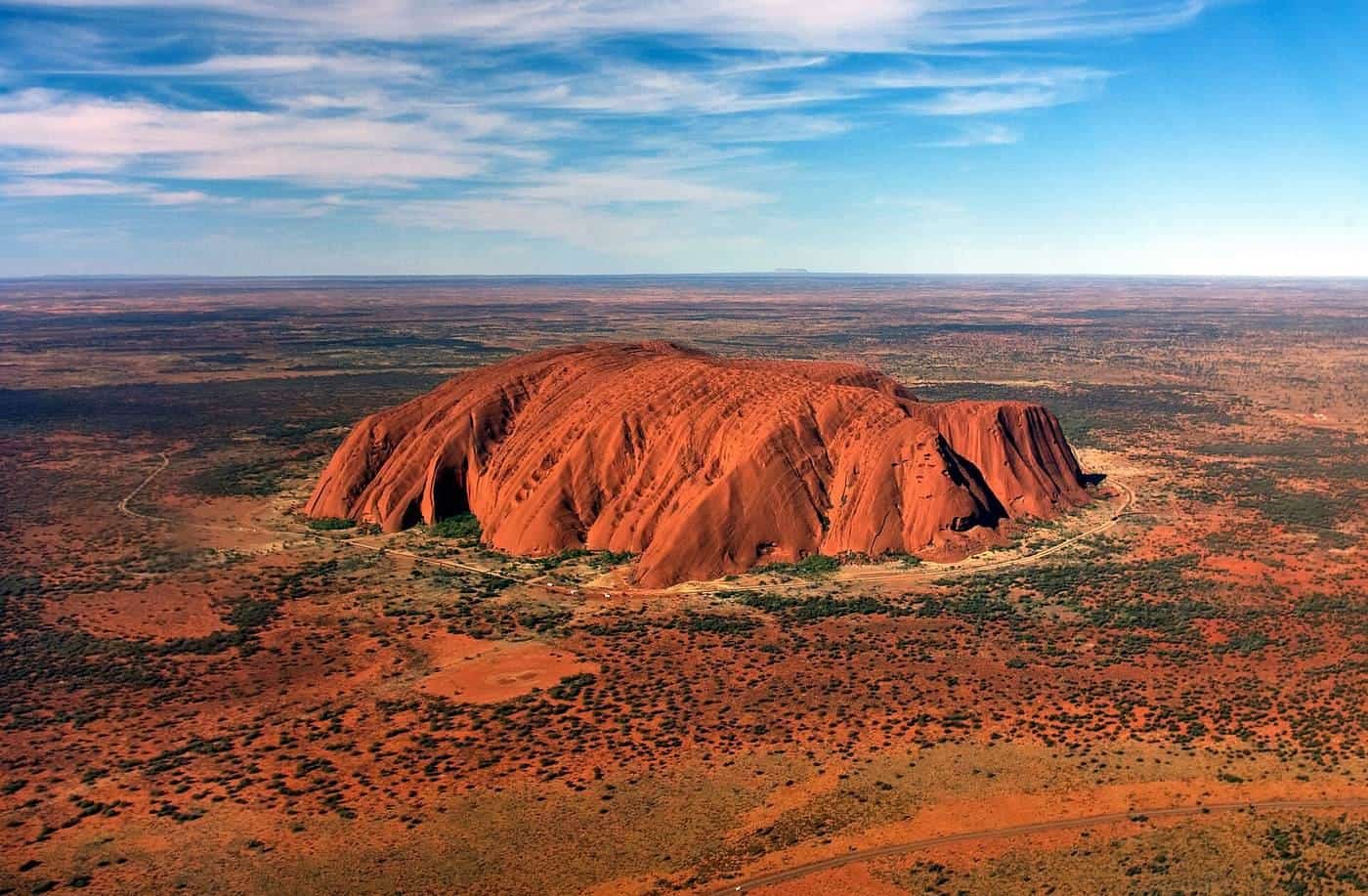
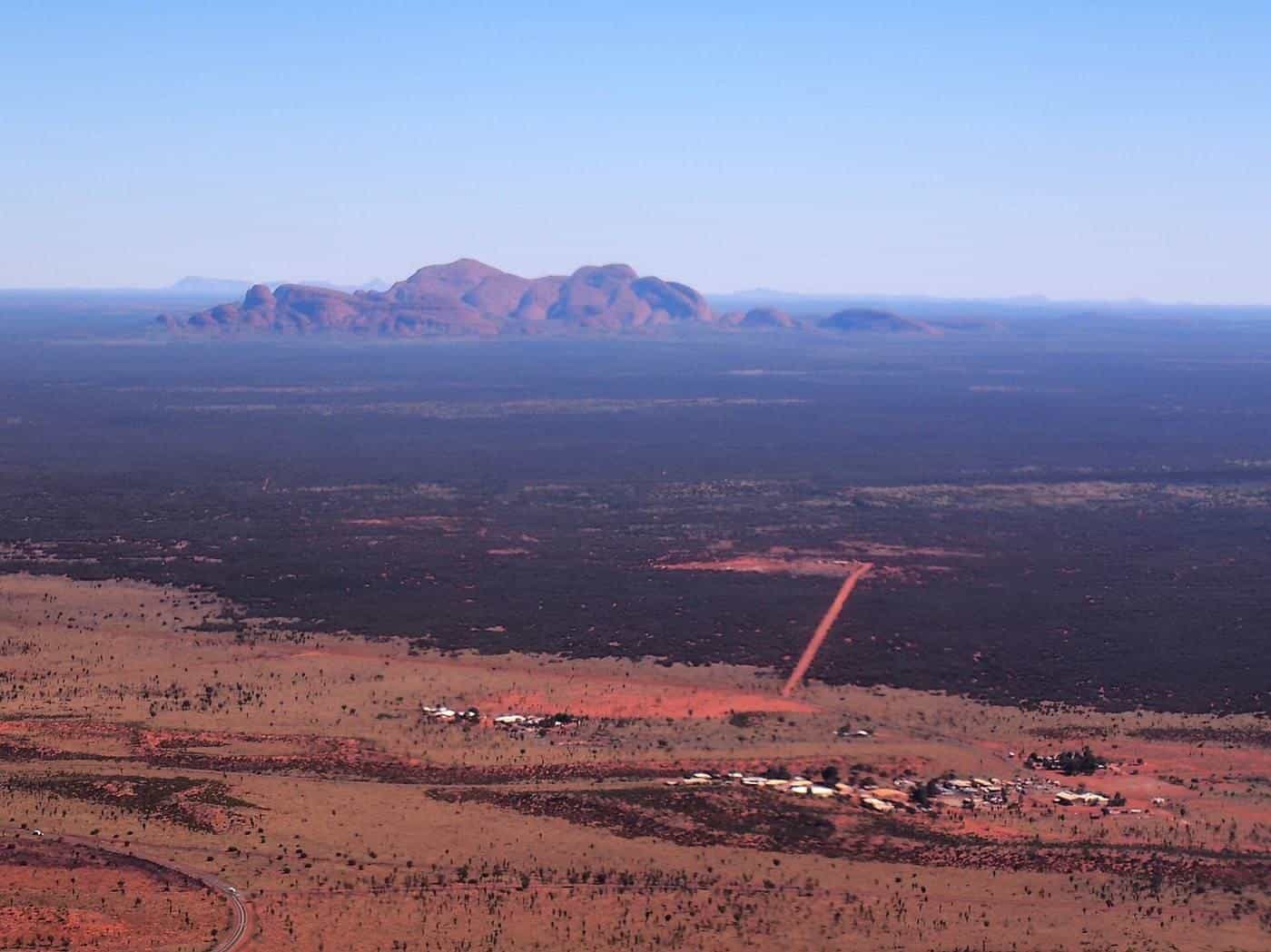
- Uluru and Kata Tjuta: both operate from Yulara. Helicopters for closer, shorter flights; planes for longer flights to Lake Amadeus or Kings Canyon.
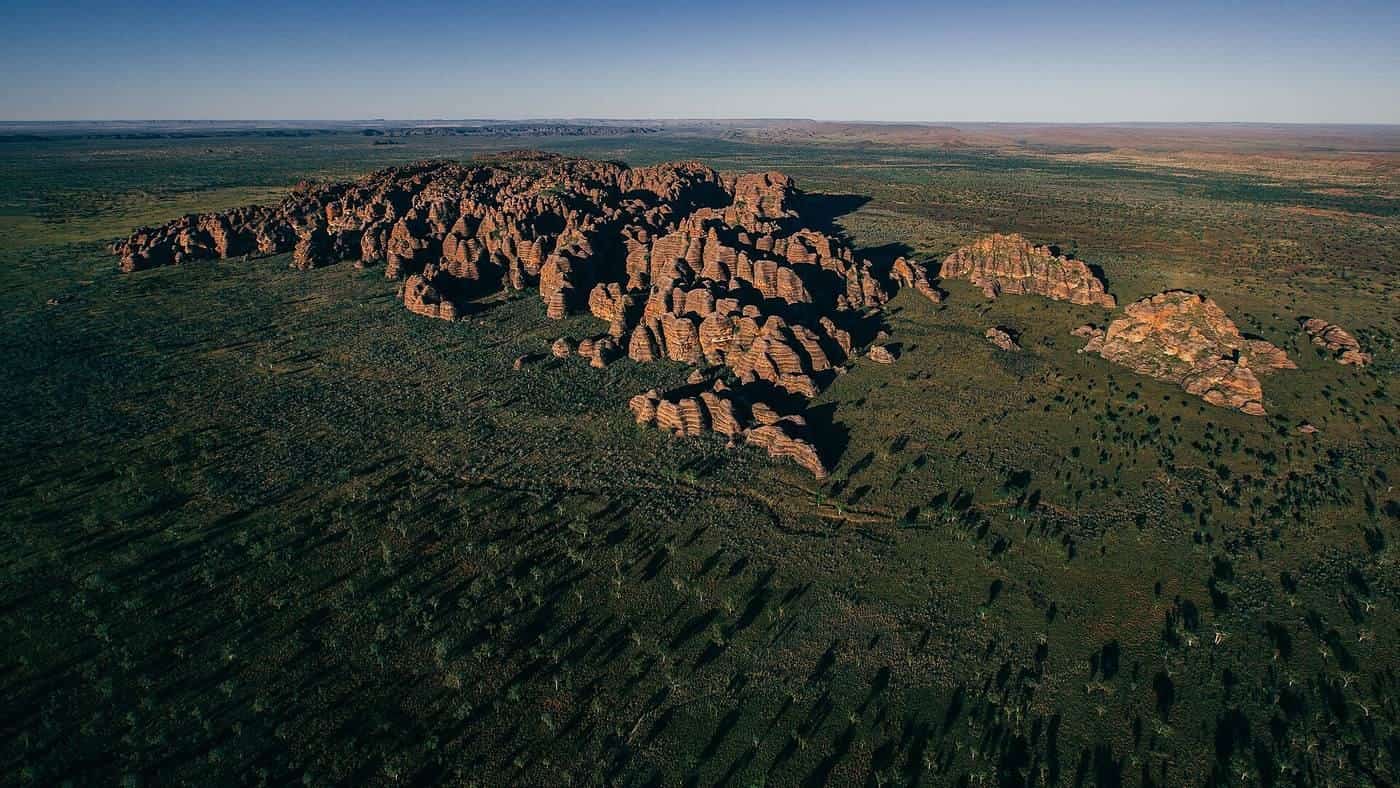
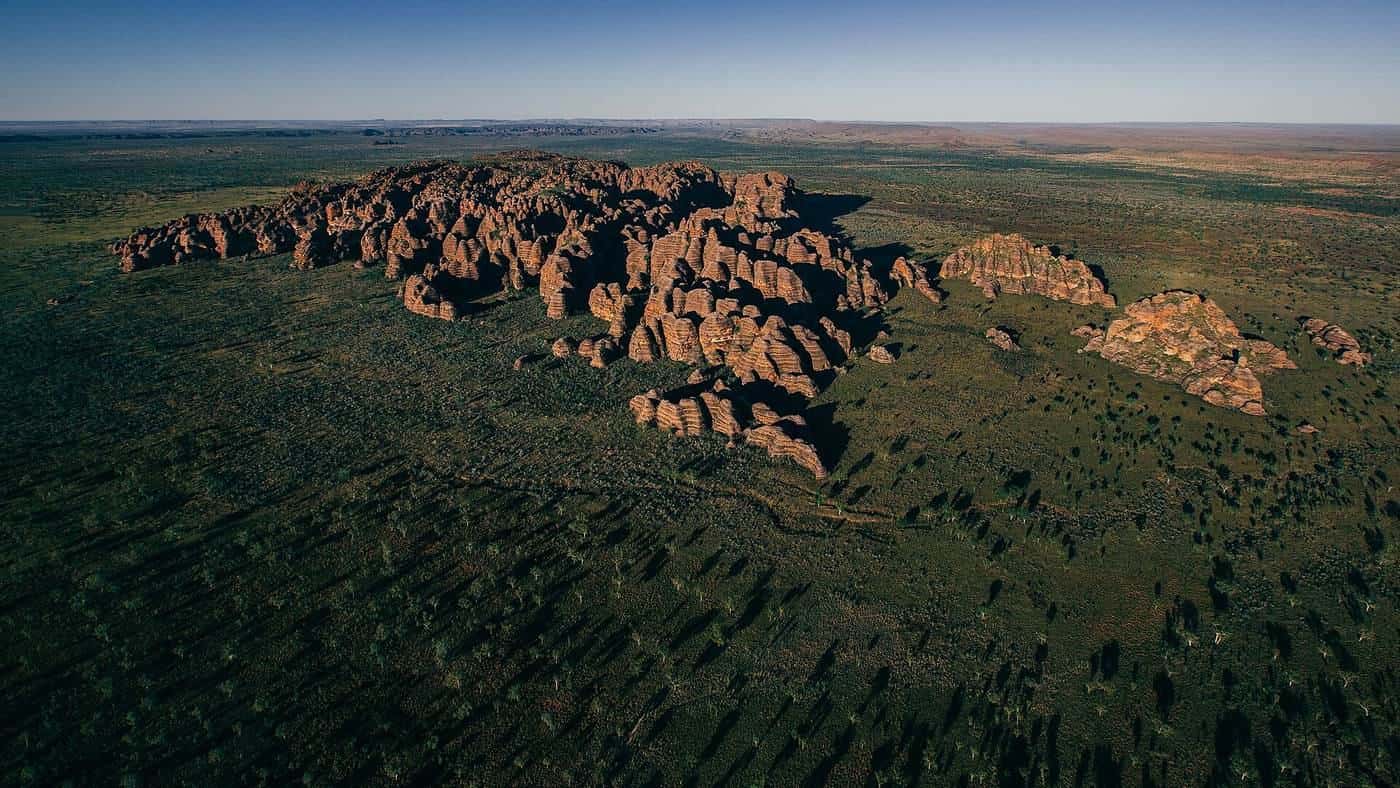
- The Kimberley: planes from Kununurra and Broome cover huge distances; helicopters operate within Purnululu.
- Twelve Apostles: helicopters dominate short scenic flights.
- Cities: helicopters suit short city flights over harbours and landmarks.
Comfort
Both can be smooth in calm air. Turbulence affects both, especially on hot afternoons. Planes may have more cabin space on longer flights; helicopters offer an open, panoramic feel.
Noise
Both are noisy inside without headsets, which most operators provide.
Choosing helicopter or plane
0 of 6 done
Ticks are saved in this browser only.
Common mistakes
- Assuming helicopters are always better.
- Comparing prices without comparing time in the air and routes.
- Choosing a short helicopter flight for a destination best covered by a long plane flight.
How helicopters fly
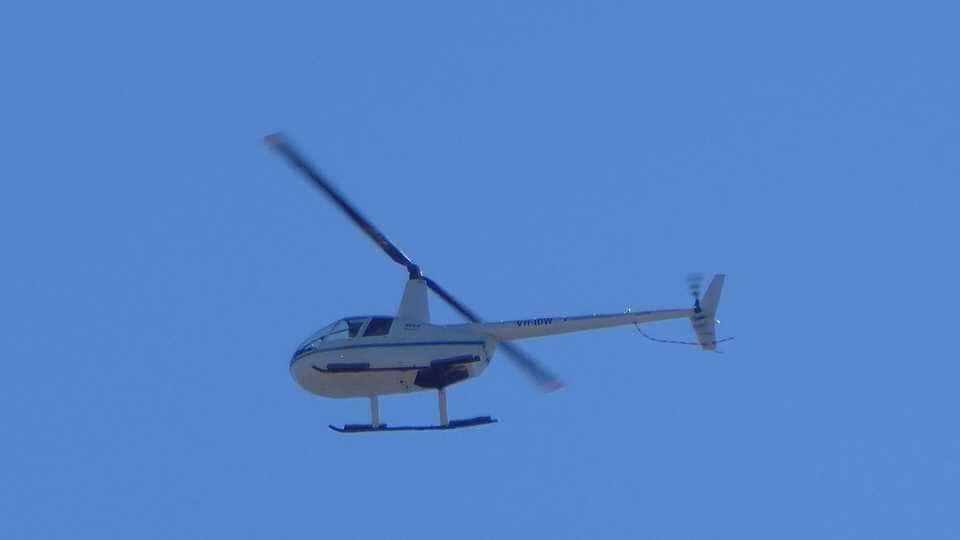
A helicopter's main rotor provides both lift and thrust. By tilting the rotor, the pilot can move the helicopter forwards, backwards or sideways, or hold it in a hover. This is what lets helicopters fly slowly, turn on the spot and land in small spaces. The trade-off is that helicopters are mechanically complex, burn more fuel per passenger and are slower than planes in cruise.
How small planes fly
A fixed-wing aircraft gets its lift from air flowing over its wings as it moves forward. Planes need a runway to take off and land and can't hover, but they're efficient in cruise, cover ground quickly and are less expensive to operate per hour. High-wing designs, with the wing above the cabin, give passengers a clear view of the ground below.
Turbulence and comfort
Turbulence comes from wind, heat rising from the ground, terrain and weather. Both helicopters and planes feel it. Hot afternoons over desert and hills tend to be the bumpiest; early mornings are often smoothest. If you're prone to motion sickness, a morning flight, a front seat and looking at the horizon can help.
Seaplanes and other options
In some places, seaplanes offer another option, taking off and landing on water. Gyroplanes and microlights offer open-air flights in some areas, though they carry only one passenger. Hot-air balloons, operating at dawn in places such as the Yarra Valley, Hunter Valley, Canberra and Alice Springs, are a gentle way to see the landscape, but they go where the wind takes them.
Combining both
On a big trip, you might use both. In the Kimberley, for example, travellers often take a fixed-wing flight from Kununurra over Lake Argyle and the Bungle Bungles, then a helicopter flight within Purnululu for a closer look at the domes. At Uluru, a short helicopter flight gives close views, while a longer plane flight covers Kings Canyon and Lake Amadeus.
Questions to ask the operator
- What aircraft will I fly in, and how many passengers will be on board?
- Will I have a window seat?
- How long is the flight in the air, and what route will it follow?
- Are landings included?
- What is the weather and cancellation policy?
Which suits your trip?
Choose a helicopter if you want low, slow, close views of a specific landmark, a landing somewhere remote, or a short flight with maximum impact. Choose a plane if you want to cover a large area, such as a reef system or a whole national park, or if you're on a budget and want more time in the air for your money. If you're unsure, ask operators to describe their routes, altitudes and aircraft, and compare the experience rather than just the price.
Photography from each aircraft
From a helicopter, you can often photograph through open or sliding windows, or doors-off on some flights, and the pilot can position the aircraft to give everyone a view. From a plane, you shoot through acrylic windows, which can cause reflections and scratches, so press your lens close to the window and use a dark lens hood or cloth to cut glare. High-wing planes avoid the wing in your shot, while on low-wing planes the wing can block part of the view below. In both, a fast shutter speed helps counter vibration, and a polarising filter can reduce glare off water but may create odd patterns on aircraft windows. Talk to the operator about seating if photography matters to you, and remember that the pilot decides seating for weight and balance. Whatever you fly in, spend some time just looking; many people say the view is what they remember most.
Environmental considerations
All powered flights burn fuel and make noise. Some operators fly set routes and heights to reduce noise over communities and wildlife, and some offer carbon offset programs. If this matters to you, ask operators what they do.
Key points
Helicopters suit close-up views, landings and shorter flights. Planes suit long distances and value. Compare time in the air, routes and inclusions, and choose an established operator whichever you fly.
Frequently asked questions
Are helicopter flights better than plane flights?
Not necessarily. Helicopters fly lower and slower, can hover and can land in places planes can't. Planes cover more distance and are often less expensive per minute, making them better for very large or remote areas.
Which is cheaper?
Helicopter flights are generally more expensive per minute than fixed-wing flights, because helicopters cost more to operate. Compare flights by time in the air, route and inclusions.
Which is smoother?
Both can be smooth in calm air and bumpy in turbulence. Larger planes tend to be more stable, while helicopters respond differently to turbulence. Morning flights are often smoother for both.
Which is better for photos?
Helicopters often have larger windows and can position for photos, and some offer doors-off flights. High-wing planes can give good views too, and some have opening windows.
Which is safer?
Both types of operation are regulated by CASA, and safety depends greatly on the operator, pilot and maintenance. Choose an established operator, whichever aircraft you fly in.
Can planes land in remote places?
Planes need an airstrip, while helicopters can land at suitable helicopter landing sites. Some remote destinations have airstrips used by fly-in tours.
Sources and further reading
Facts on this page were checked against these primary and official sources. Conditions change — confirm before you travel or buy.
- Civil Aviation Safety Authority — Australian Government
- Purnululu National Park — Parks and Wildlife Service WA
- Uluru-Kata Tjuta National Park — Parks Australia
- Australian Transport Safety Bureau — Australian Government