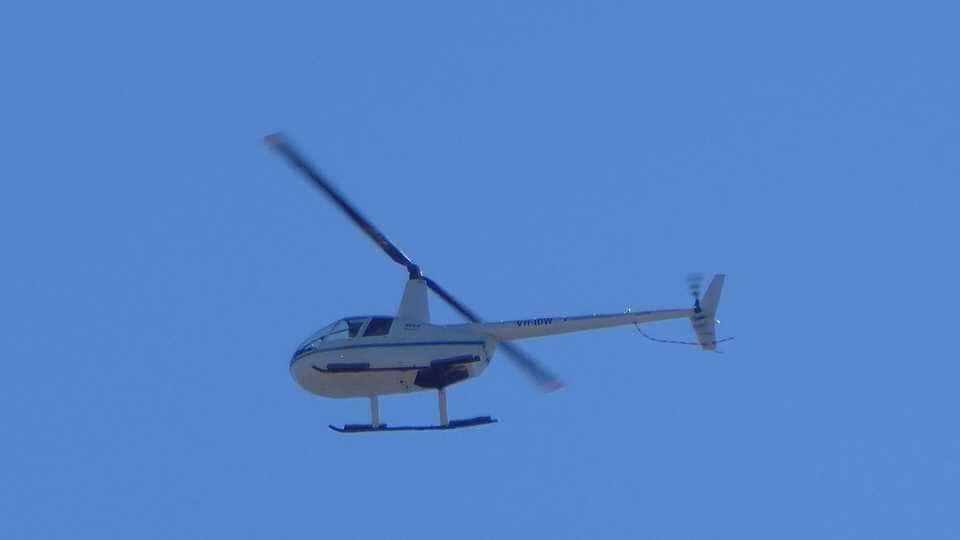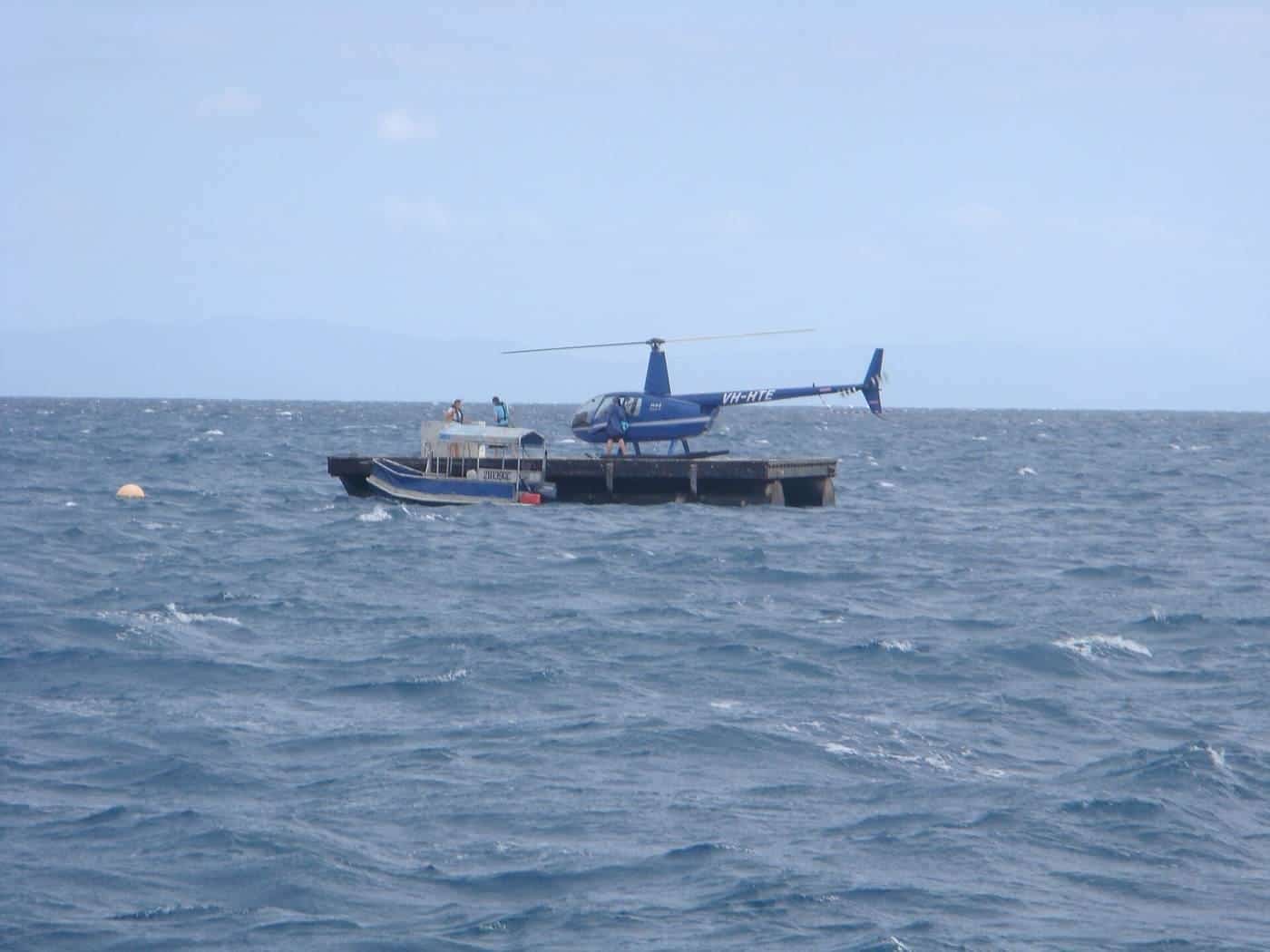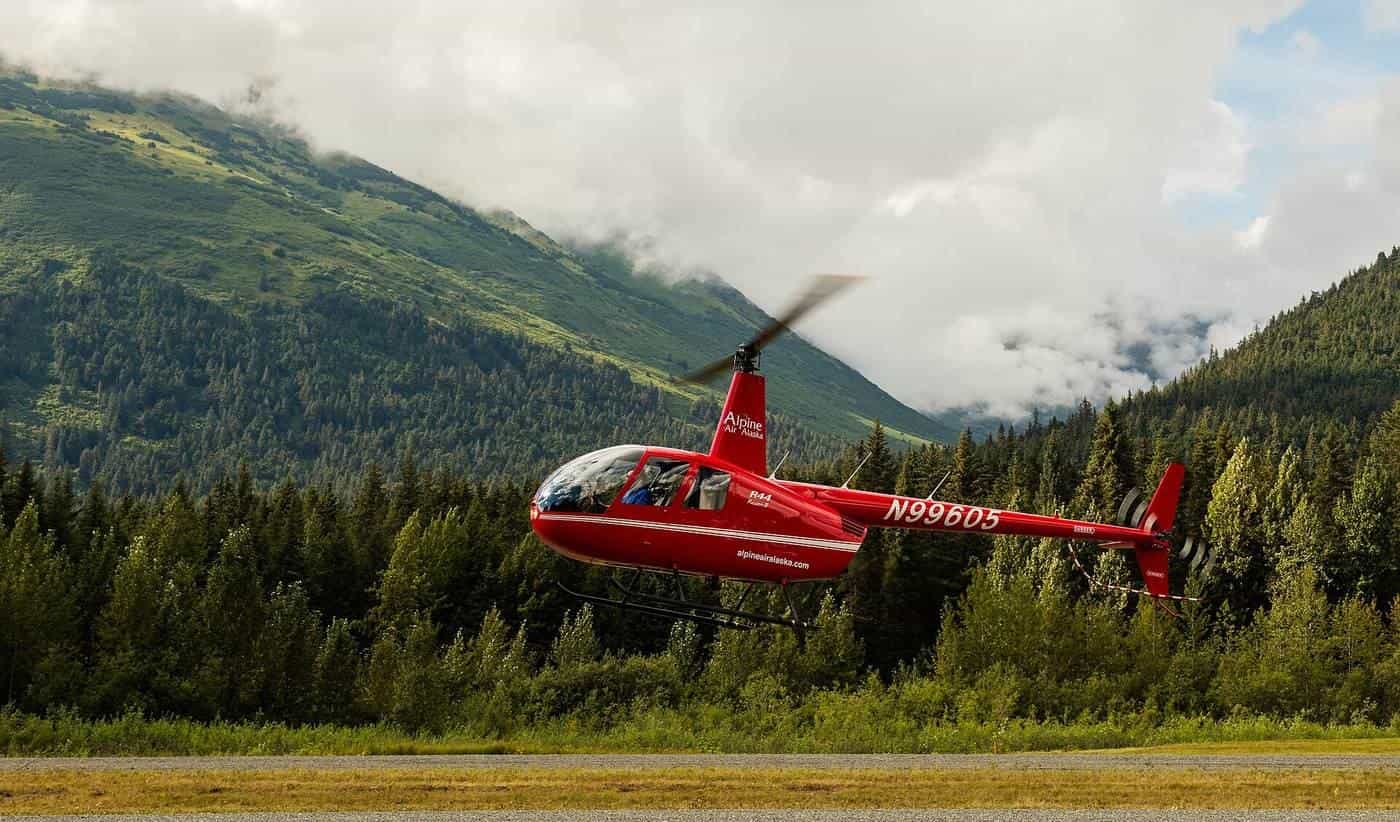
Shooting through helicopter windows means dealing with reflections, scratches, curved perspex and tinting. A doors-off flight removes those barriers, giving photographers a clear view of the landscape below. Doors-off flights are popular for photographing reefs, coastlines, cities and outback landscapes, and for straight-down "top-down" shots that are impossible through a window.
This guide covers how doors-off flights work, safety and harnesses, securing your gear, clothing, camera settings and how to plan your shots.
No glass
No reflections
Clear, unobstructed views
Harness
Or seatbelt
Per the operator's procedures
Secure it
Everything loose
Or leave it behind
How doors-off flights work
The operator removes one or more doors before the flight. Passengers are secured with seatbelts or harnesses according to the operator's procedures, and the pilot gives a specific briefing on doors-off safety. Flights may follow a set route or, on private flights, a route planned with the photographer.
Not all operators or helicopters offer doors-off flights. Those that do usually run them regularly and have procedures for securing passengers and equipment. Check how often the operator flies doors-off.
Safety
- Restraints. Keep your seatbelt or harness fastened at all times, and don't adjust it unless the pilot says so.
- Loose items. Anything that falls or blows out of a helicopter can hit the tail rotor or people on the ground. Secure everything or leave it behind.
- Hands and cameras. Follow the pilot's instructions on how far you can extend cameras and hands. The airflow outside the cabin is strong.
- Communication. Keep your headset on and listen to the pilot.
Securing your gear
- Use a camera strap around your neck or wrist at all times.
- Remove lens hoods, lens caps and filters that could come loose, or secure them.
- Use a small, secure bag for spare batteries and memory cards, and change them carefully inside the cabin.
- Leave tripods, gimbals and large bags behind.
- Secure phones with a lanyard or leave them in a zipped pocket.
What to wear
- Warm, close-fitting layers. It's cold and windy with the doors off, even on a warm day.
- Gloves with good grip, if they allow you to operate your camera.
- Secure sunglasses with a strap.
- No scarves, loose hats or dangling jewellery.
- Tie back long hair.
Camera settings
- Fast shutter speed to reduce blur from vibration and movement.
- Continuous autofocus to track the scene as the helicopter moves.
- Burst mode to improve your chances of a sharp shot.
- A versatile zoom lens in a moderate range. Very long lenses magnify vibration.
- Image stabilisation can help, but test it beforehand.
Planning your shots
- Research the location and the shots you want.
- Talk to the pilot before the flight about your plans; on private flights, they may be able to position the helicopter for you, within safety and airspace limits.
- Think about light: early morning and late afternoon often give the best results.
- For top-down shots of reefs and patterns, ask whether the pilot can fly a suitable pattern.
Rules on the ground and in the air
Aircraft must follow rules on minimum heights, airspace and wildlife, including minimum distances from whales and nesting birds. Pilots can't break these rules for photos. Respect cultural sensitivities when photographing sacred sites.
Doors-off flight checklist
0 of 8 done
Ticks are saved in this browser only.
Common mistakes
- Underdressing for the cold.
- Bringing too much gear.
- Not securing lens caps, phones and sunglasses.
- Using very long lenses that magnify vibration.
Which destinations suit doors-off flights?
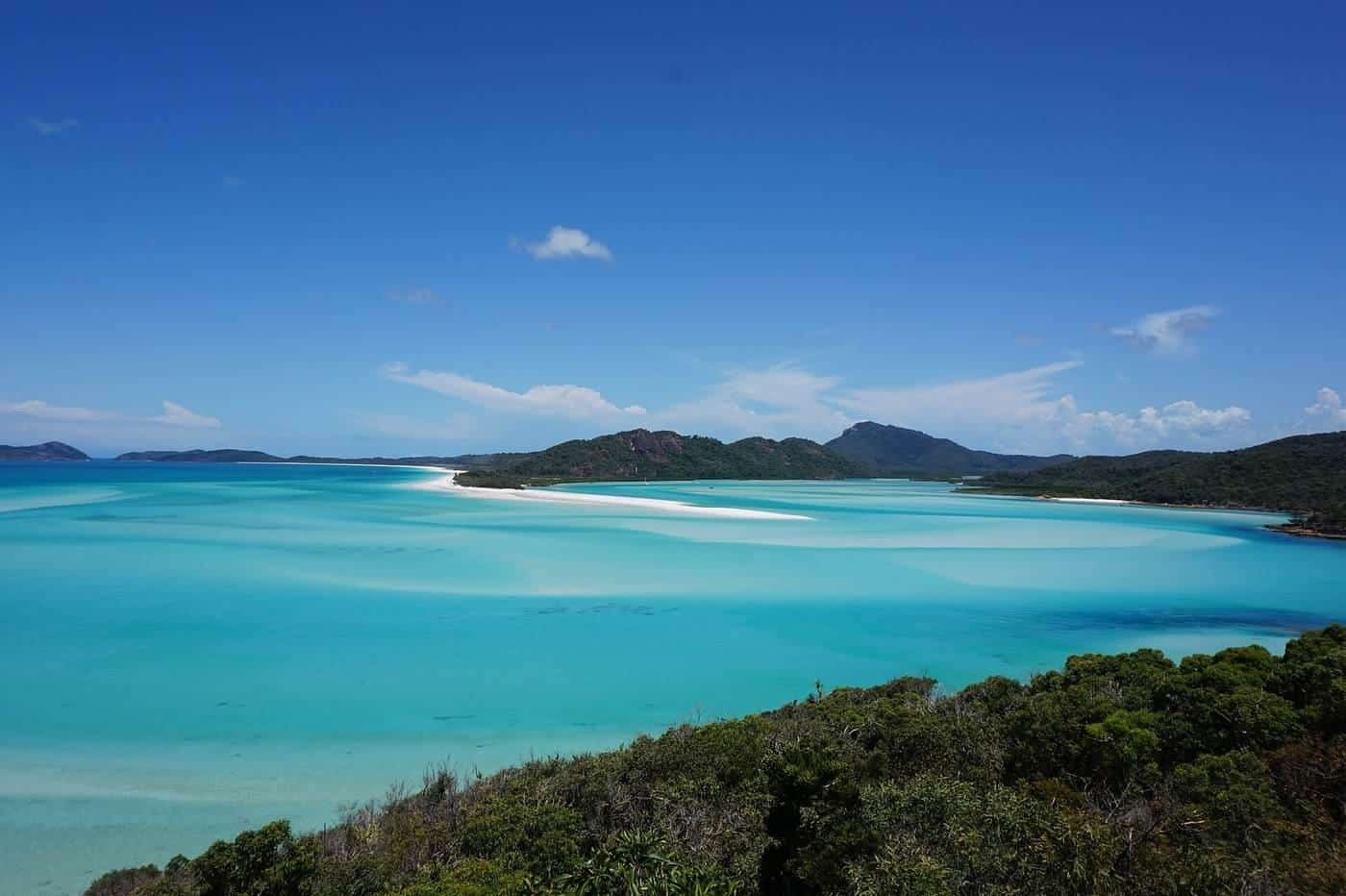
Doors-off flights are especially popular over coral reefs and tidal flats, where top-down shots reveal patterns of colour, and over coastlines, cliffs and cities. In the Whitsundays, Hill Inlet's swirling sands are a favourite subject. Cities offer dramatic shots of harbours, bridges and skylines, within airspace rules.
Video
Video works well from doors-off flights, but vibration and wind noise are challenges. Use stabilisation, a fast shutter speed suited to your frame rate, and expect wind noise on audio. Action cameras must be securely mounted or tethered, and the operator's rules on mounting apply.
Private versus shared flights
On shared doors-off flights, the route and positioning are fixed, and you'll share the open side with other photographers. Private flights cost more but let you discuss positioning with the pilot, within safety and airspace limits. Serious photographers often find private flights worthwhile.
After the flight
Check your images on a larger screen before leaving the area, in case you want to fly again in different light. Back up your files promptly.
Weather and light
Doors-off flights are more affected by temperature than standard flights. Even on a warm day, the air rushing past an open door is cold, and in winter or at sunrise it can be very cold. Check the forecast and dress for it. For photography, soft morning and late afternoon light is often best, while midday light gives the strongest colours over reefs and shallow water.
Securing your gear
Anything dropped from a doors-off helicopter is lost and could cause harm on the ground or strike the aircraft. Operators usually require camera straps and tethers, ban loose items in the cabin and ask you to empty your pockets. Remove lens hoods and caps before take-off, and avoid changing lenses in flight. Phones should be tethered or held in a secure grip case.
Choosing a lens and settings
A mid-range zoom covering roughly wide-angle to short telephoto suits most doors-off flights, letting you frame wide landscapes and pick out details without changing lenses. Use a fast shutter speed to counter vibration and movement, and consider shutter priority or manual mode with auto ISO. Shoot in bursts when the pilot positions the aircraft over a key feature, as small shifts in angle make a difference. Avoid resting your camera or arms on the aircraft frame, which transmits vibration. Take a couple of practice shots early to check exposure, then keep an eye on your settings as the light and scenery change. Above all, know your camera well before the flight, because there's no time to read menus in the air.
Briefing with the pilot
Before take-off, tell the pilot what you'd like to photograph. They can advise what's possible within the route, safety limits and airspace rules.
Key points
Doors-off flights give photographers clear views without reflections. Choose an experienced operator, secure everything, dress warmly, use a fast shutter speed and follow the pilot's instructions at all times.
Frequently asked questions
Is flying with the doors off safe?
Doors-off flights are a recognised type of operation when done properly. Passengers are secured with seatbelts or harnesses, loose items are secured or left behind, and the pilot gives a specific briefing. Only fly with an operator that regularly runs doors-off flights.
Can I hold my camera outside the helicopter?
Operators set rules on how far cameras and hands can extend. Strong wind outside the cabin can pull at cameras and lenses. Follow the pilot's instructions exactly, and use a camera strap.
What should I wear?
Wear warm, close-fitting layers, as it can be cold and windy with the doors off, even on a warm day. Avoid scarves, loose hats and anything that could blow away. Sunglasses should be secured.
What camera settings work best?
Use a fast shutter speed to counter vibration and movement, continuous autofocus and burst mode. A zoom lens in a moderate range is versatile. Remove lens hoods and filters that could come loose unless secured.
Can I bring a drone?
No. Drones can't be launched from helicopters by passengers, and drone use is regulated by CASA. Some operators offer separate aerial photography services.
Do I need to be an experienced photographer?
No, but doors-off flights are most rewarding if you're keen on photography. If you're mainly after the experience, a standard scenic flight with large windows may suit you better.
Sources and further reading
Facts on this page were checked against these primary and official sources. Conditions change — confirm before you travel or buy.
- Civil Aviation Safety Authority — Australian Government
- Drone rules — Civil Aviation Safety Authority
- Aviation safety investigations — Australian Transport Safety Bureau
- Great Barrier Reef Marine Park Authority — Australian Government