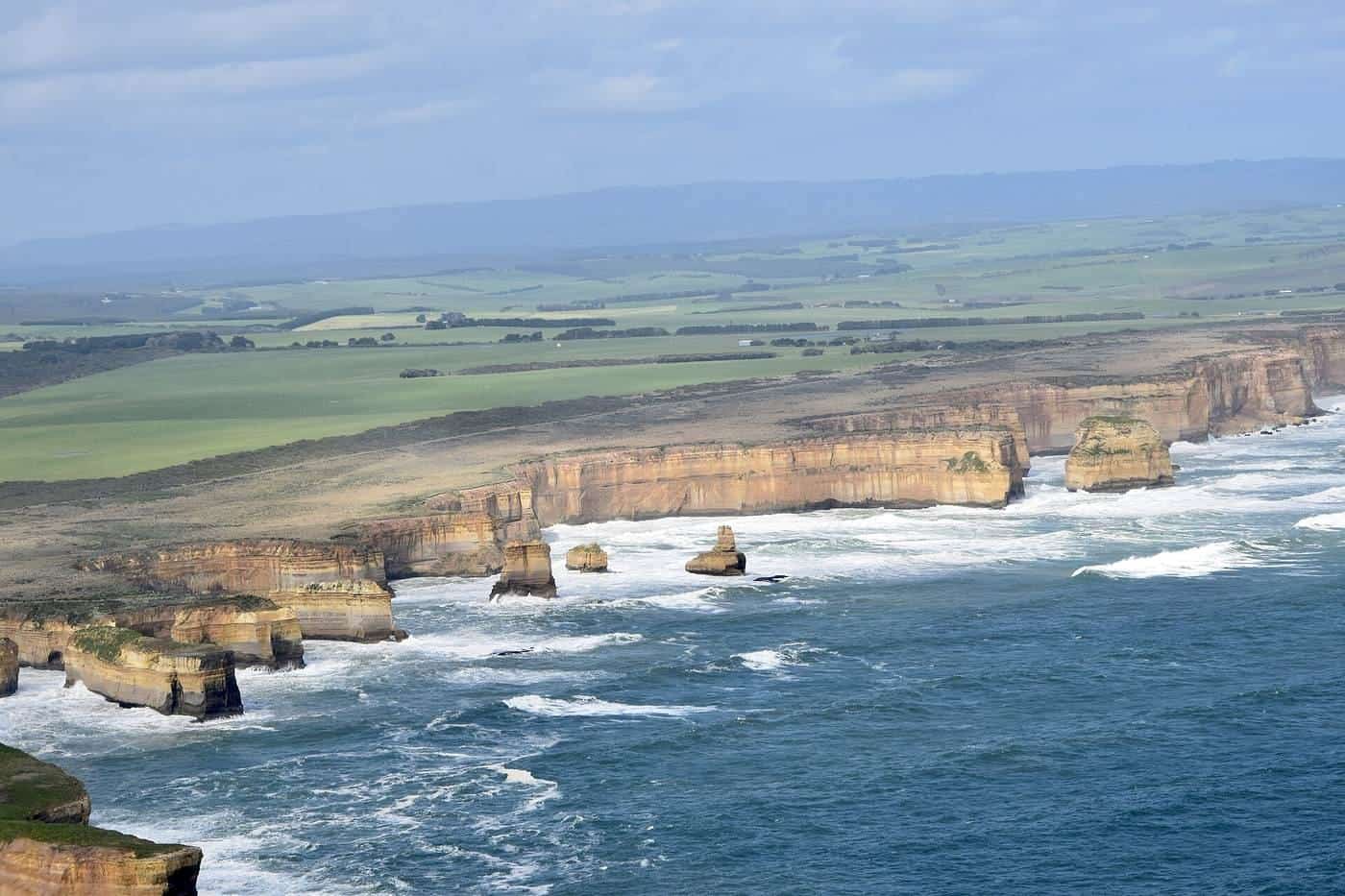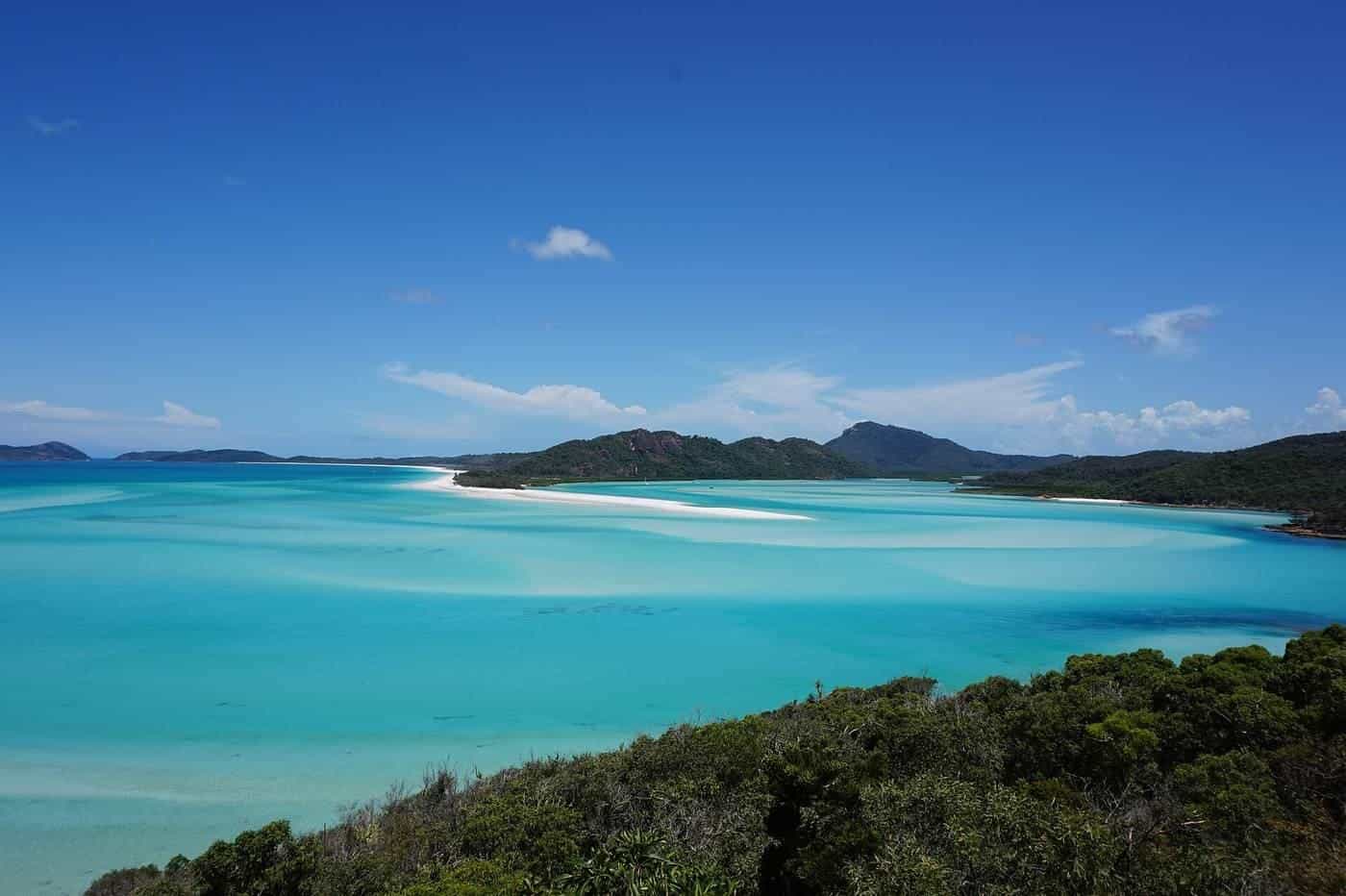
The Great Barrier Reef is the world's largest coral reef system, stretching for roughly 2,300 km along the Queensland coast. It was inscribed on the World Heritage List in 1981. From a boat or a snorkel, you see individual coral gardens; from the air, you see the scale of it, with reefs, lagoons, cays and channels spreading towards the horizon in every shade of blue. The Whitsundays, a group of islands off the central Queensland coast, add white silica beaches and the swirling sands of Hill Inlet.
This guide covers the main sights, where flights leave from, the kinds of packages on offer, when to go and the rules that protect the reef.
~2,300 km
Length of the reef system
Along the Queensland coast
1981
World Heritage listing
Great Barrier Reef
Air only
Heart Reef
Protected, no landing or snorkelling
The sights
Heart Reef. A small coral formation shaped like a heart, part of Hardy Reef in the Great Barrier Reef Marine Park. It's one of the most photographed parts of the reef. Because it's protected, the way to see it is from the air.
Whitehaven Beach. On Whitsunday Island, Whitehaven Beach stretches for about 7 km. Its sand is very fine and almost pure white silica, which stays cool underfoot and squeaks when you walk on it.
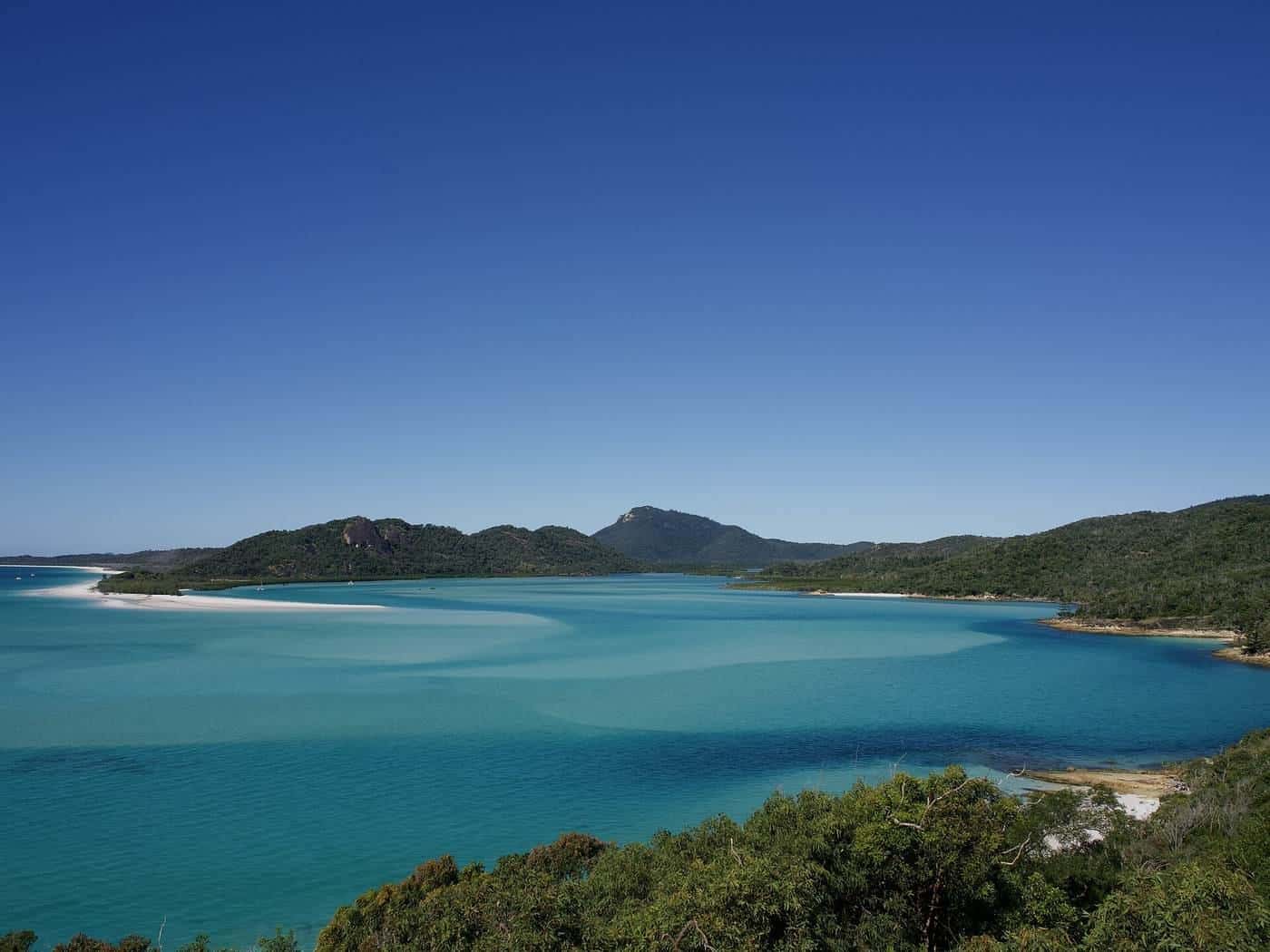
Hill Inlet. At the northern end of Whitehaven Beach, Hill Inlet's tidal flows swirl white sand and turquoise water into constantly changing patterns. It's at its most dramatic around low tide.
The outer reef. Further out, Hardy Reef, Hook Reef and other outer reefs form a maze of coral, lagoons and channels. Some flights combine with a reef pontoon, where you can snorkel or dive before or after flying.
The islands. The Whitsundays are mostly national park, with forested hills, fringing reefs and quiet bays.
Where flights leave from
- Airlie Beach and the mainland. The main gateway to the Whitsundays, with several helicopter and fixed-wing operators.
- Hamilton Island. An island resort with an airport and helicopter operators.
- Reef pontoons. Some reef day trips include optional helicopter flights from a pontoon or helipad on the outer reef.
- Further north. Cairns and Port Douglas are also popular bases for reef flights over different sections of the reef.
Types of packages
- Short scenic flights over the islands, Whitehaven Beach and Hill Inlet.
- Reef flights out to Heart Reef and the outer reef.
- Fly and snorkel packages combining a flight with time on a reef pontoon.
- Beach landings at approved sites, sometimes with a picnic.
- One-way transfers between the mainland, islands and pontoons.
Flight times, inclusions and prices vary. Check exactly what's included, including landing time, before you book.
When to go
Flights operate year-round, weather permitting.
- May to October usually brings drier weather, clearer skies and lower humidity.
- November to April is the wet season, with more cloud, storms and occasional cyclones. Flights can be cancelled or rescheduled.
- Tides affect the view. Hill Inlet's patterns are best around low tide, and lower tides expose more reef.
- Light is often best in the morning and late afternoon for photos, when the sun is lower and the water less glary.
Rules that protect the reef
The Great Barrier Reef Marine Park is managed by the Great Barrier Reef Marine Park Authority, and the islands are largely national park. Aircraft operations are regulated.
- Aircraft must keep minimum heights and distances from whales. Under Australia's national guidelines, helicopters must stay higher above whales than planes.
- Some seabird nesting islands have restrictions on low flying.
- Landings in the marine park and national parks need permits and are limited to approved sites.
Choosing an operator that follows the rules helps protect wildlife and the reef.
Humpback whales
Humpback whales migrate along the Queensland coast, and the Whitsundays are an important area for them, particularly from about July to September. You may spot whales from the air in season. Pilots must keep the required heights and distances, so you'll be viewing from above rather than close up.
Photography tips
- Wear dark clothing to reduce reflections in the window.
- Use polarising sunglasses to cut glare; a polarising filter can help cameras too.
- Keep your camera ready, as the most dramatic views can pass quickly.
- Ask whether doors-off flights are available if you're serious about photography.
Reef flight checklist
0 of 7 done
Ticks are saved in this browser only.
Combining a flight with your trip
A flight can be the highlight of a Whitsundays trip, but it works best combined with time on the water. Many visitors take a sailing or boat trip to Whitehaven Beach and a separate scenic flight to see the reef and Hill Inlet from above. Allow a spare day in case weather cancels a flight.
Common mistakes
- Booking a flight on your last day, with no time to reschedule if weather intervenes.
- Expecting to land on Heart Reef.
- Not checking whether pontoon time or beach landings are included.
- Forgetting sun protection for beach landings and pontoon time.
Travelling with children
Many reef flights accept children, but rules vary between operators. Check minimum ages, seating rules and whether children need their own seat. Short flights suit younger children, and beach landings add interest.
Cairns and Port Douglas
Further north, Cairns and Port Douglas are popular bases for reef flights over different sections of the Great Barrier Reef, including coral cays, ribbon reefs and the rainforest-clad coast where the Daintree meets the reef. Many visitors combine a reef flight with a day trip to the reef by boat.
Accessibility
Some operators can assist passengers with limited mobility. Ask before booking.
Sun and sea
Wear sunscreen and a hat for any time on the sand.
Seasons
The dry season brings more settled weather to the reef, while the wet season brings heat, humidity, storms and stinger season. Check with operators about conditions.
Key points
From the air, the Great Barrier Reef and Whitsundays reveal sights you can't see any other way, including Heart Reef and the swirling sands of Hill Inlet. Fly in the drier months if you can, check tides and inclusions, allow a spare day for weather and choose operators that follow reef rules.
Frequently asked questions
Can I see Heart Reef by boat?
Heart Reef is a small, naturally heart-shaped coral formation within Hardy Reef in the Great Barrier Reef Marine Park. It's protected, and visitors can't snorkel or land on it, so it's seen from the air on scenic flights from the Whitsundays.
Where do Whitsundays helicopter flights leave from?
Flights commonly depart from Airlie Beach and the surrounding mainland, Hamilton Island and pontoons out on the outer reef. Some packages combine a flight with time on a reef pontoon or a beach landing.
What is Hill Inlet?
Hill Inlet is at the northern end of Whitehaven Beach on Whitsunday Island. As the tide moves, white sand and turquoise water swirl together into constantly changing patterns that are spectacular from the air.
When is the best time for a reef flight?
The drier months from about May to October usually bring clearer skies, but flights operate year-round. Low tide reveals more of the reef and sand patterns at Hill Inlet. Summer brings more storms, cloud and the risk of cyclones.
Do helicopters disturb wildlife on the reef?
Aircraft must follow rules and guidelines, including minimum heights near whales and seabird nesting islands. Choose operators who fly responsibly and follow these rules.
Can I land on a beach?
Some operators offer landings on approved beaches or sand cays where permits allow. Landing sites in the Great Barrier Reef Marine Park and Whitsunday Islands National Park are regulated.
Sources and further reading
Facts on this page were checked against these primary and official sources. Conditions change — confirm before you travel or buy.
- Great Barrier Reef Marine Park Authority — Australian Government
- Great Barrier Reef — UNESCO World Heritage Centre
- Whitsunday Islands National Park — Queensland Government
- Australian National Guidelines for Whale and Dolphin Watching — Australian Government