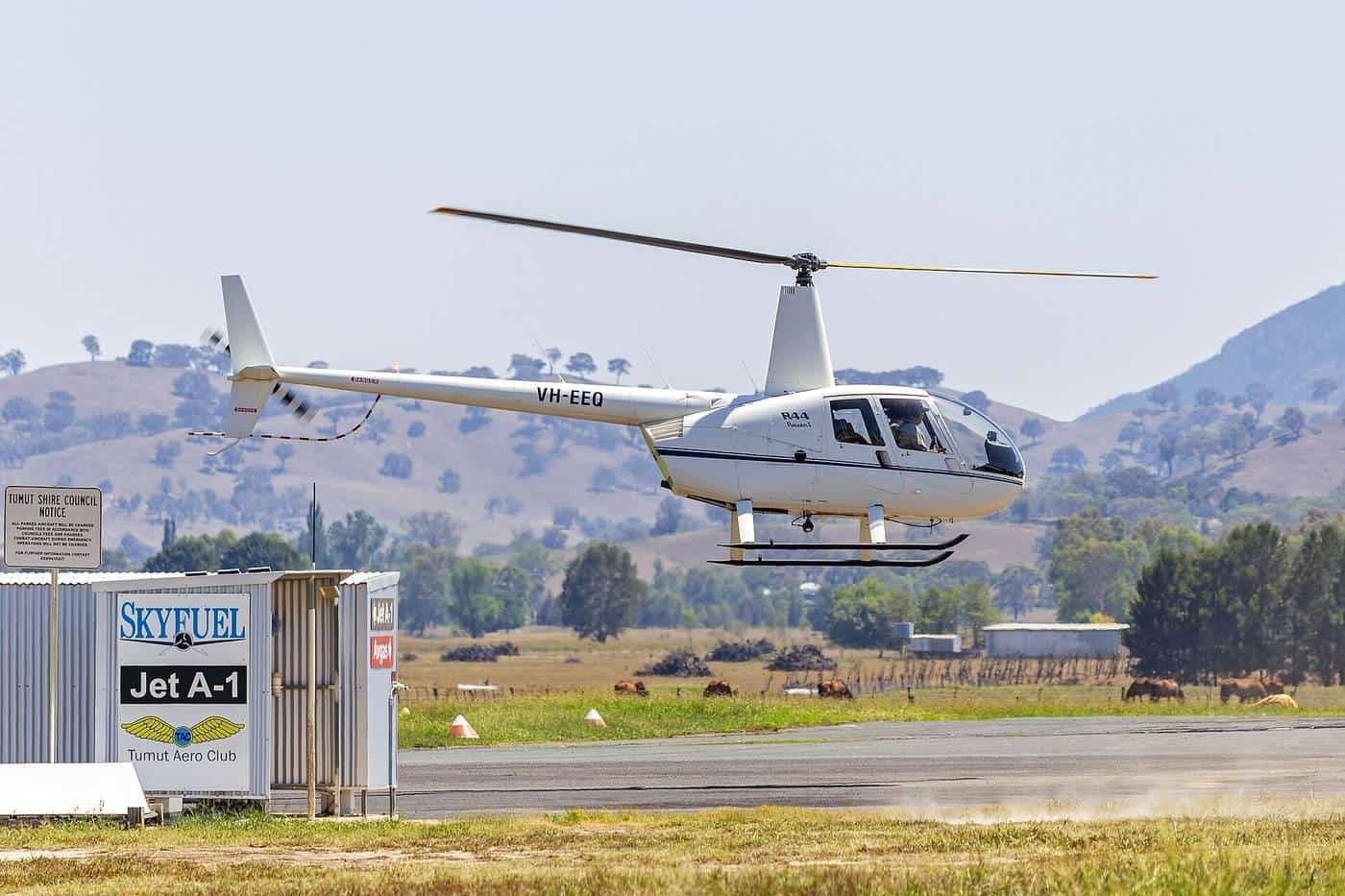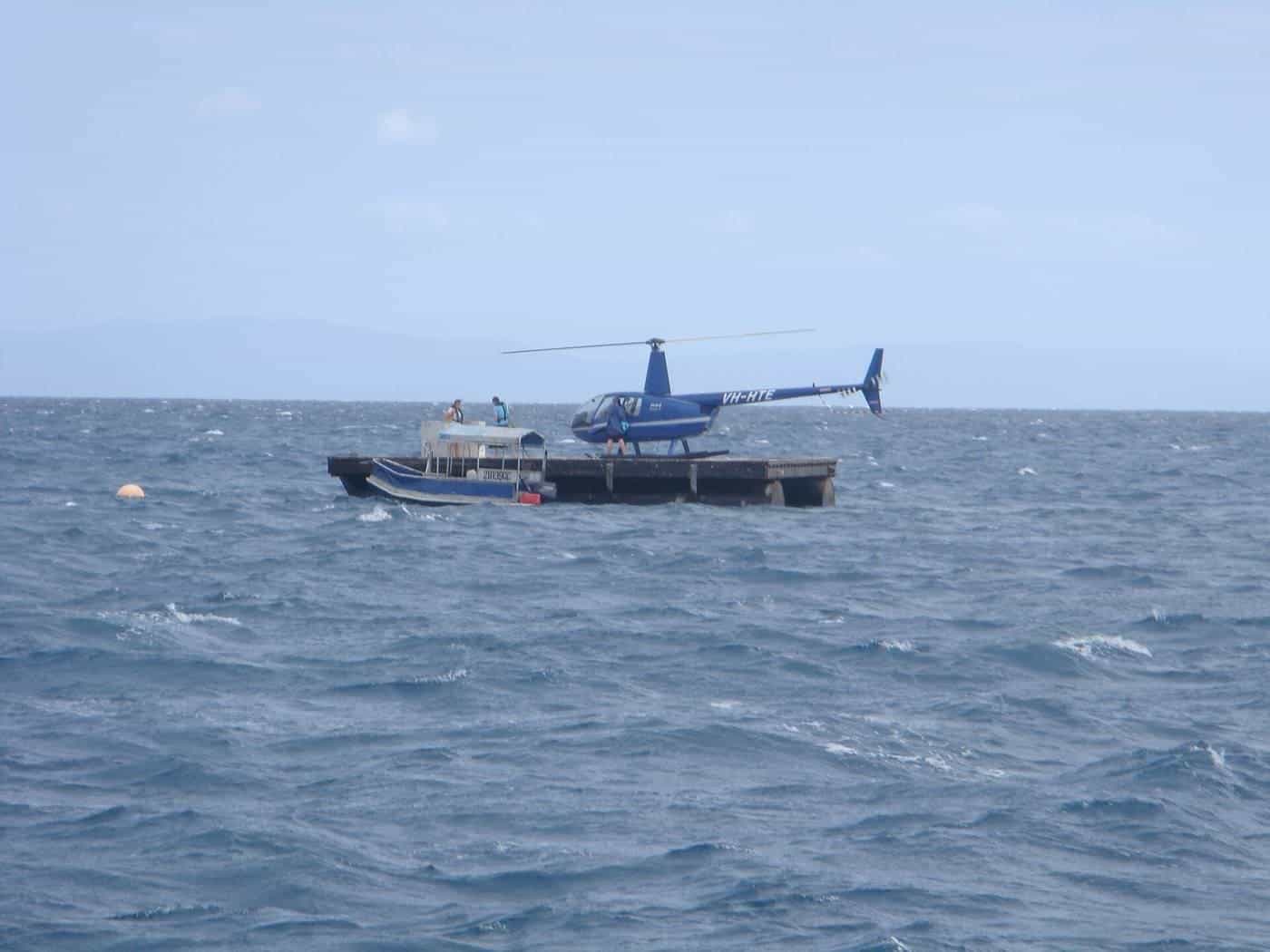
If you've never flown in a helicopter, it helps to know what to expect. Helicopter tours follow a fairly standard sequence, from check-in to landing, with safety procedures at every step. Knowing what will happen lets you relax, enjoy the experience and make the most of the view.
This guide walks through a typical helicopter tour, explains why operators ask for your weight, and covers motion sickness, photography, children and accessibility.
Weight
Declared and checked
For weight and balance
Briefing
Before every flight
Listen carefully
Headsets
Usually provided
Hear the pilot's commentary
Booking
When you book, you'll usually be asked for each passenger's weight. Helicopters have strict weight and balance limits, and pilots use this information to plan the flight. Some operators have a maximum weight per passenger or charge for an extra seat above a certain weight. Declare accurate weights; operators may weigh passengers at check-in.
Check-in
Arrive at the time you're given, usually some time before the flight. Staff will check you in, may weigh you and will tell you where to wait. You may be asked to sign a passenger declaration or waiver.
The safety briefing
Before every flight, you'll receive a safety briefing, either from the pilot, ground crew or a video. It typically covers:
- how to approach and leave the helicopter safely, usually from the front and in view of the pilot, and never near the tail rotor;
- how to fasten and release your seatbelt or harness;
- how to use your headset;
- where emergency exits and equipment are located;
- what to do in an emergency;
- securing loose items.
Listen carefully, even if you've flown before. Procedures vary between aircraft.
Boarding
Ground crew or the pilot will escort you to the helicopter. Keep your head down near the rotors, hold onto loose items and follow instructions. The pilot assigns seats based on weight and balance.
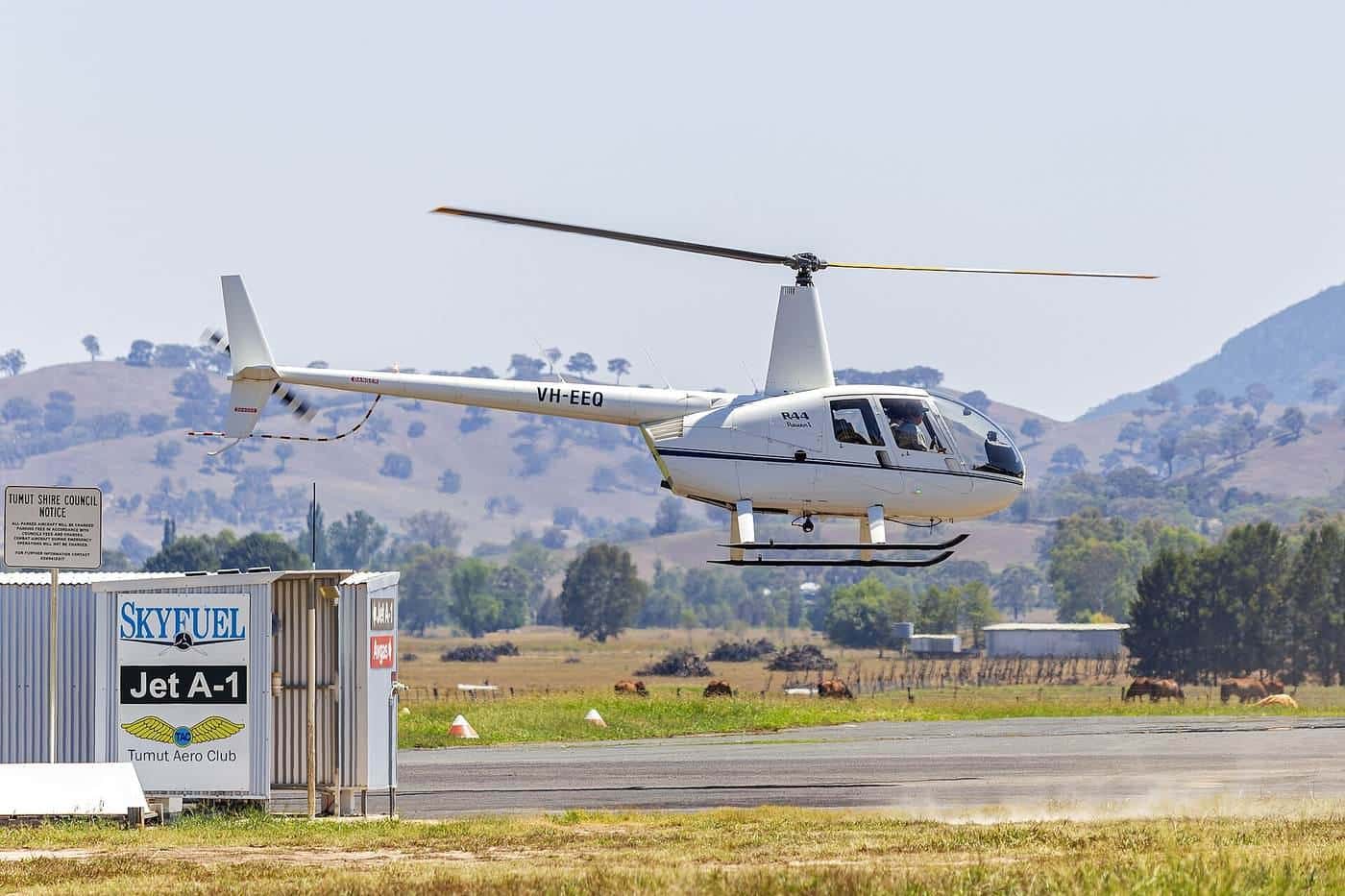
In the air
Take-off in a helicopter is smooth and gradual. Once airborne, the pilot will usually provide commentary through your headset. Most helicopters are quite loud without a headset, so keep it on. The pilot may ask for quiet during take-off, landing and busy moments.
The ride is usually smooth, but you may feel some turbulence, especially on hot, windy days or near hills and cliffs. Small movements are normal.
Motion sickness
Most passengers don't experience motion sickness, but some do.
- Eat lightly before your flight.
- Look at the horizon rather than down at your phone or camera for long periods.
- Keep cool and get fresh air if possible.
- Tell the pilot if you feel unwell.
- If you're prone to motion sickness, ask a pharmacist about medication before flying.
Photography
- Wear dark clothing to reduce reflections in the window.
- Hold your camera close to the window, but don't touch it.
- Use a fast shutter speed.
- Secure your phone or camera with a strap.
- Don't forget to put the camera down and enjoy the view.
Landing and disembarking
Stay seated with your seatbelt fastened until the pilot or ground crew tell you it's safe to leave. Exit in the direction shown, keeping your head down and away from the tail.
Children
Many operators accept children, but rules vary on minimum ages, whether children need their own seat and the restraints used. Check before booking.
Accessibility
Getting in and out of a helicopter can involve stepping up into the cabin. Some operators can assist passengers with reduced mobility, depending on the aircraft. Talk to the operator about your needs before booking.
Before your flight
0 of 8 done
Ticks are saved in this browser only.
How long the whole experience takes
The total time for a helicopter tour is longer than the time in the air. Allow time for check-in, the safety briefing, boarding, the flight, landing and disembarking. For a short scenic flight, the whole experience may take considerably longer than the flight itself. For packages with landings, it can take several hours.
What to bring
- Photo identification, if the operator requires it.
- Your booking confirmation.
- A camera or phone with a strap.
- Sunglasses, preferably polarised.
- A light jacket, as it can be cool in the air with air vents open.
- Any medications you may need.
Leave large bags, tripods and loose items behind. Most operators have limited space for personal belongings.
Noise and headsets
Helicopters are loud. Headsets protect your hearing and let you hear the pilot and other passengers. Keep your headset on throughout the flight. If you wear hearing aids, tell the operator, as headsets can interfere with them.
Pregnancy and medical conditions
If you're pregnant or have a medical condition, check with your doctor and the operator before booking. Some operators have restrictions for certain conditions or stages of pregnancy.
Nervous flyers
It's normal to feel nervous before your first helicopter flight. Tell the pilot or staff; they can explain what to expect and reassure you. Focus on the horizon rather than looking straight down, breathe slowly and remember that the pilot is trained and experienced. Many nervous flyers find the experience much calmer than they expected.
Tipping and photos
Tipping isn't expected in Australia. Some operators offer photos or videos of your flight for purchase; check before you book if this matters to you.
After the flight
Once you've landed, wait for the pilot's signal before removing your seatbelt and headset. Exit the way you were shown in the briefing, staying low and away from the tail rotor. Some operators offer a debrief or a chance to ask questions about the flight.
Safety on the ground
The area around a helicopter is the most hazardous part of the experience for passengers. Always approach and leave the helicopter in view of the pilot, usually from the front or side, and only when signalled. Never walk near the tail rotor, which can be hard to see when spinning. Keep long items such as selfie sticks low, hold onto hats and loose clothing, and follow staff instructions at all times. Children should be held by the hand and supervised closely. If you drop something near the helicopter, don't chase it; tell staff, who will retrieve it when it's safe. Stay behind any barriers until called. These rules may seem strict, but they exist to keep everyone safe, and staff will guide you through them during the briefing.
Key points
A typical helicopter tour includes check-in, a weigh-in, a safety briefing, an escorted boarding, a flight with commentary and a careful landing. Declare accurate weights, listen to the briefing, follow instructions and relax.
Frequently asked questions
Why do helicopter operators ask for my weight?
Helicopters have strict weight and balance limits. The pilot uses passengers' weights to calculate whether the aircraft is within limits and to decide where each person sits. Accurate weights are essential for safety.
Will I get motion sickness?
Most people don't, but some do, particularly in turbulence or on longer flights. Eat lightly, look at the horizon, keep cool and tell the pilot if you feel unwell. Speak to a pharmacist about motion sickness medication if you're prone to it.
Can I talk to the pilot during the flight?
Usually, yes. Passengers typically wear headsets with microphones, so you can hear the pilot's commentary and ask questions. The pilot may ask for quiet during take-off, landing and busy moments.
Can children fly?
Many operators accept children, but rules vary on minimum ages, whether children need their own seat and the restraints used. Check with the operator before booking.
Can people with reduced mobility fly?
It depends on the aircraft and the operator. Getting in and out of a helicopter can involve stepping up into the cabin. Talk to the operator about your needs before booking.
What should I wear?
Comfortable clothing, enclosed shoes and dark colours if you want to take photos through the window. Leave loose items such as hats and scarves behind or secure them.
Sources and further reading
Facts on this page were checked against these primary and official sources. Conditions change — confirm before you travel or buy.
- Civil Aviation Safety Authority — Australian Government
- Motion sickness — healthdirect
- Disability Discrimination Act — Australian Human Rights Commission
- Australian Transport Safety Bureau — Australian Government