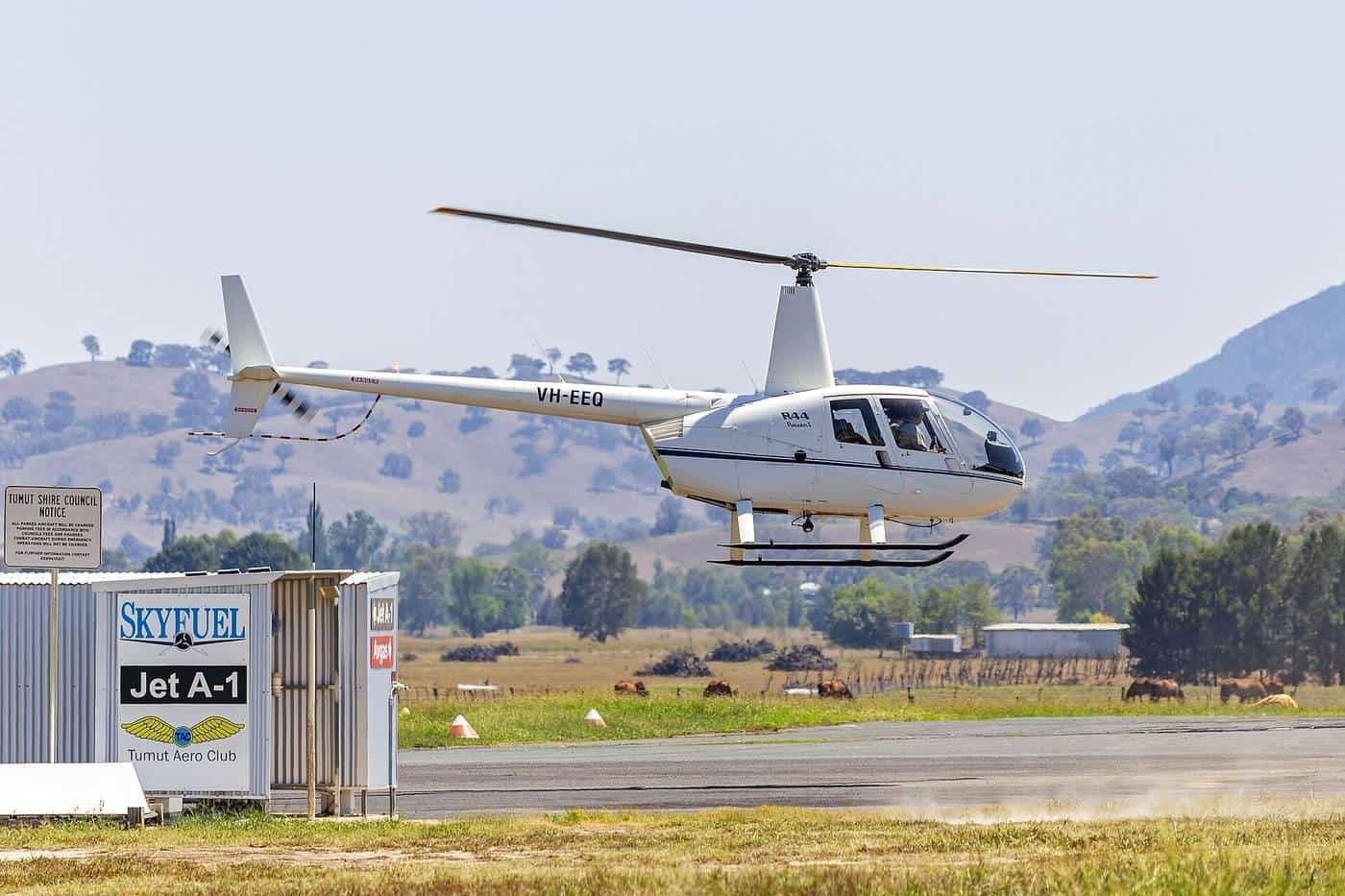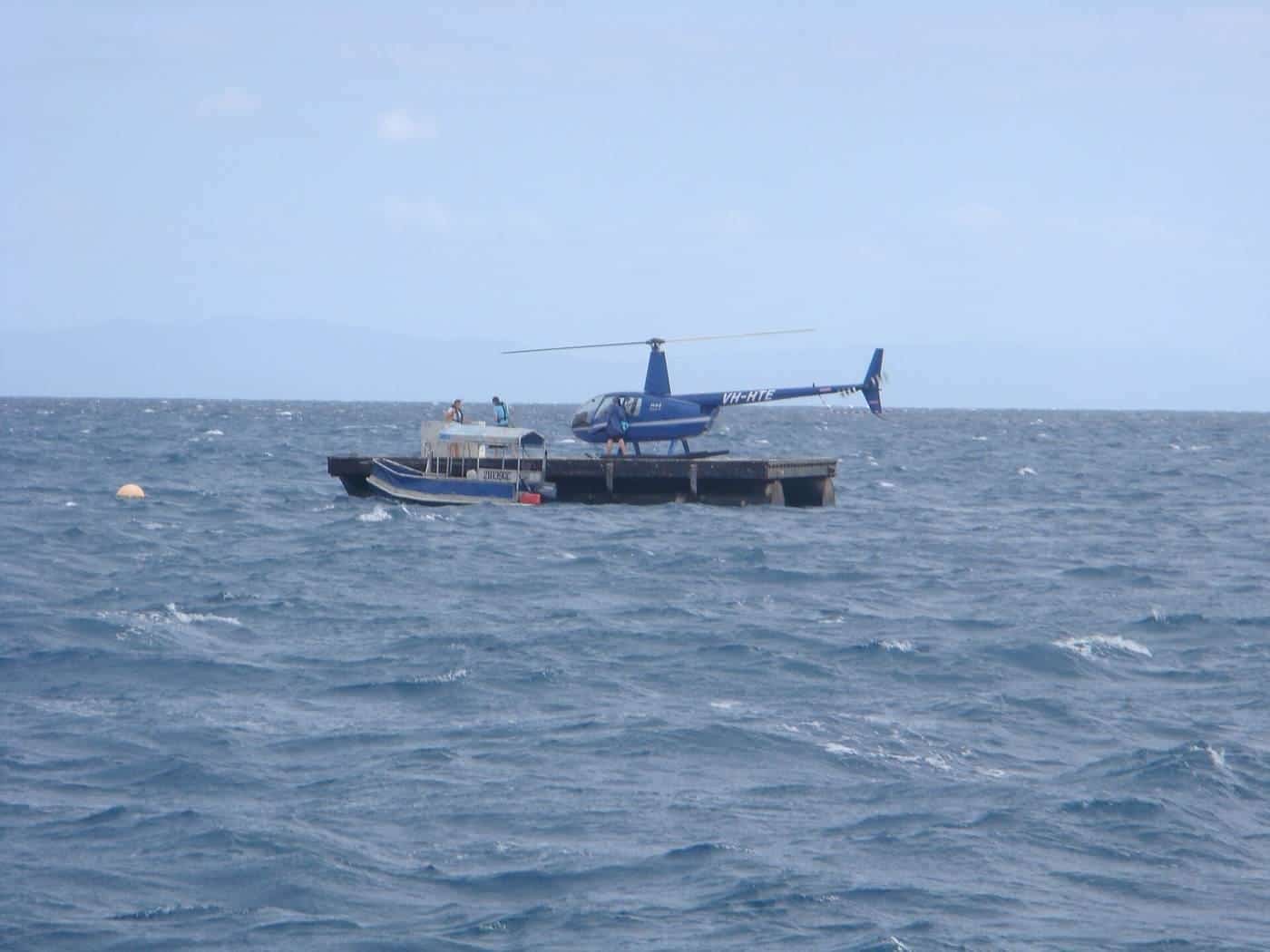
Weather is the most common reason helicopter tours are delayed, rescheduled or cancelled. Most scenic flights operate under visual flight rules (VFR), which means pilots must be able to see where they're going and stay clear of cloud. Wind, turbulence, storms and poor visibility also affect safety and comfort. Understanding how weather decisions are made, and what happens to your booking, helps you plan.
This guide explains why flights are cancelled, how pilots decide, what to expect with rescheduling and refunds, your consumer rights and how to plan a flexible booking.
VFR
Most scenic flights
Visual flight rules
Pilot decides
Final say on weather
Safety first
Book early
In your trip
Room to reschedule
Why weather matters
Cloud and visibility. Under visual flight rules, pilots must maintain minimum visibility and distance from cloud. Low cloud can block routes over hills, cliffs and islands, even when it's clear at the helipad.
Wind and turbulence. Strong or gusty winds make flights uncomfortable and, beyond certain limits, unsafe. Turbulence is often stronger near cliffs, mountains and in hot afternoons.
Thunderstorms. Storms bring severe turbulence, lightning, hail and heavy rain. Pilots avoid them.
Heat. High temperatures reduce helicopter performance, which can affect how many passengers or how much weight the aircraft can carry.
Smoke and dust. Bushfire smoke and dust storms reduce visibility.
How pilots decide
Pilots check weather forecasts, reports and observations before every flight, including aviation forecasts from the Bureau of Meteorology. They consider conditions at departure, along the route and at the destination, and how conditions might change during the flight. The pilot in command has the final say on whether a flight goes ahead.
What happens when a flight is cancelled
Operators usually:
- offer to reschedule to a later time or day;
- offer a refund or credit, depending on their terms;
- delay the flight to see if conditions improve.
Check the operator's weather and cancellation policy before you book.
Your consumer rights
Under the Australian Consumer Law, services must be provided with due care and skill, be fit for purpose and be delivered within a reasonable time. If a flight is cancelled by the operator and not provided, you may be entitled to a remedy, such as a refund. Terms and conditions can't exclude your consumer guarantees. The ACCC website explains your rights.
If you cancel because you've changed your mind, or because you're concerned about weather when the operator considers it safe to fly, the operator's cancellation terms will usually apply.
Gift vouchers
Most gift vouchers sold in Australia must have an expiry period of at least three years, with some exceptions. If weather cancels a voucher flight, it's usually rescheduled. Check the voucher's terms.
Planning a flexible booking
- Book early in your trip, so you have time to reschedule.
- Avoid booking on the day you leave.
- Choose morning flights, when air is often smoother and weather more settled.
- Keep your phone handy on the day, as operators may contact you about changes.
- Check the operator's weather policy before booking.
Seasonal weather
- Tropical north: the wet season, roughly November to April, brings storms, heavy rain and cyclones.
- Southern coasts: strong winds, low cloud and fronts are common, especially in winter.
- Inland: hot afternoons bring turbulence; winter mornings can be foggy.
Weather planning checklist
0 of 6 done
Ticks are saved in this browser only.
Common mistakes
- Booking a flight on your last day.
- Arguing with the pilot's decision.
- Not checking the cancellation policy.
Fog and morning cloud
In some areas, especially inland valleys and coastal regions, fog and low cloud form overnight and burn off during the morning. Sunrise flights may be delayed until conditions clear. In these areas, mid-morning flights can be more reliable than dawn flights.
Afternoon storms and thermals
In hot weather, the ground heats up through the day, creating rising currents of air, or thermals, that cause turbulence. In the tropics and inland, afternoon thunderstorms are common in summer. Morning flights often avoid both.
Wind and coastal flights
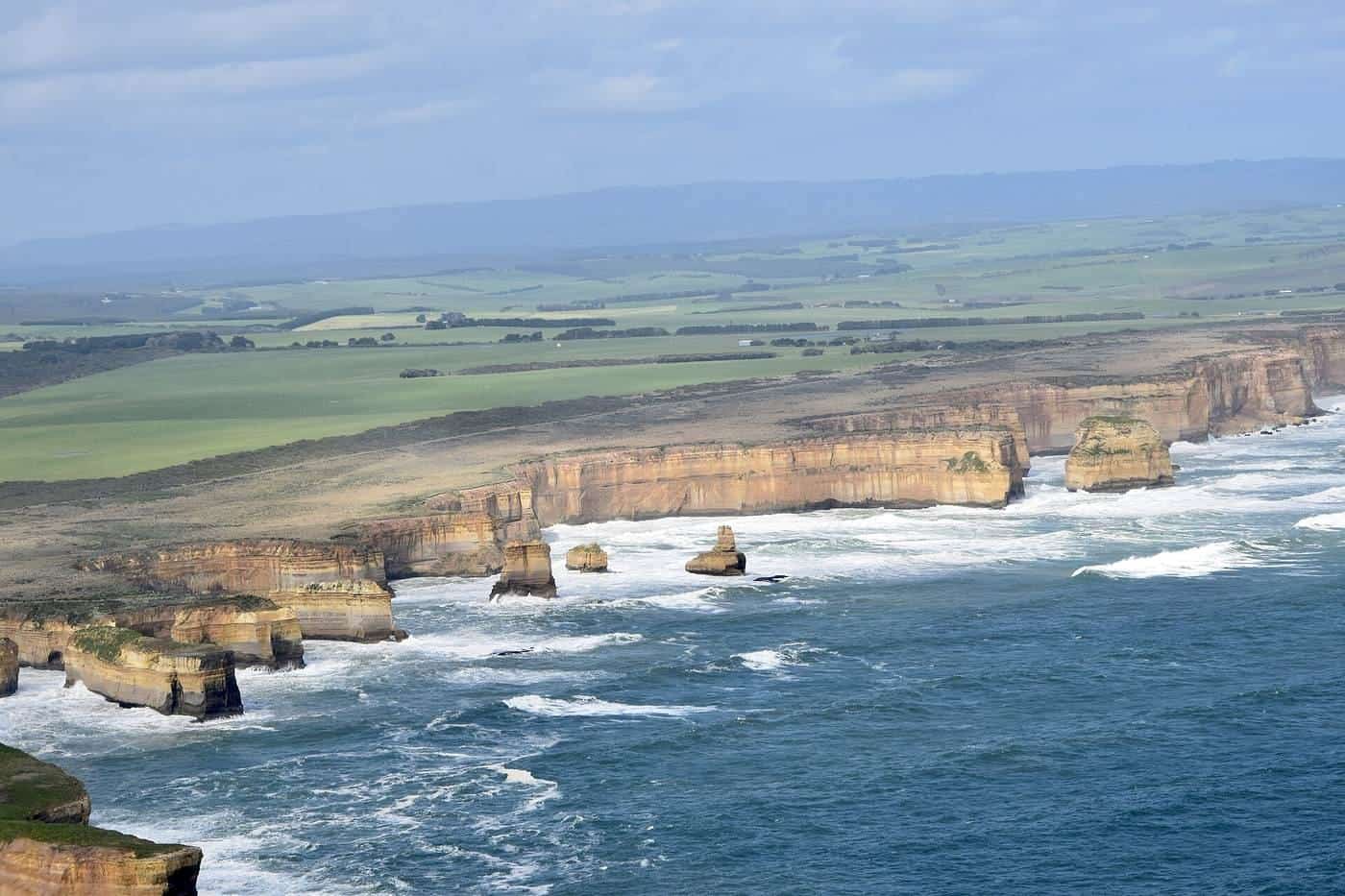
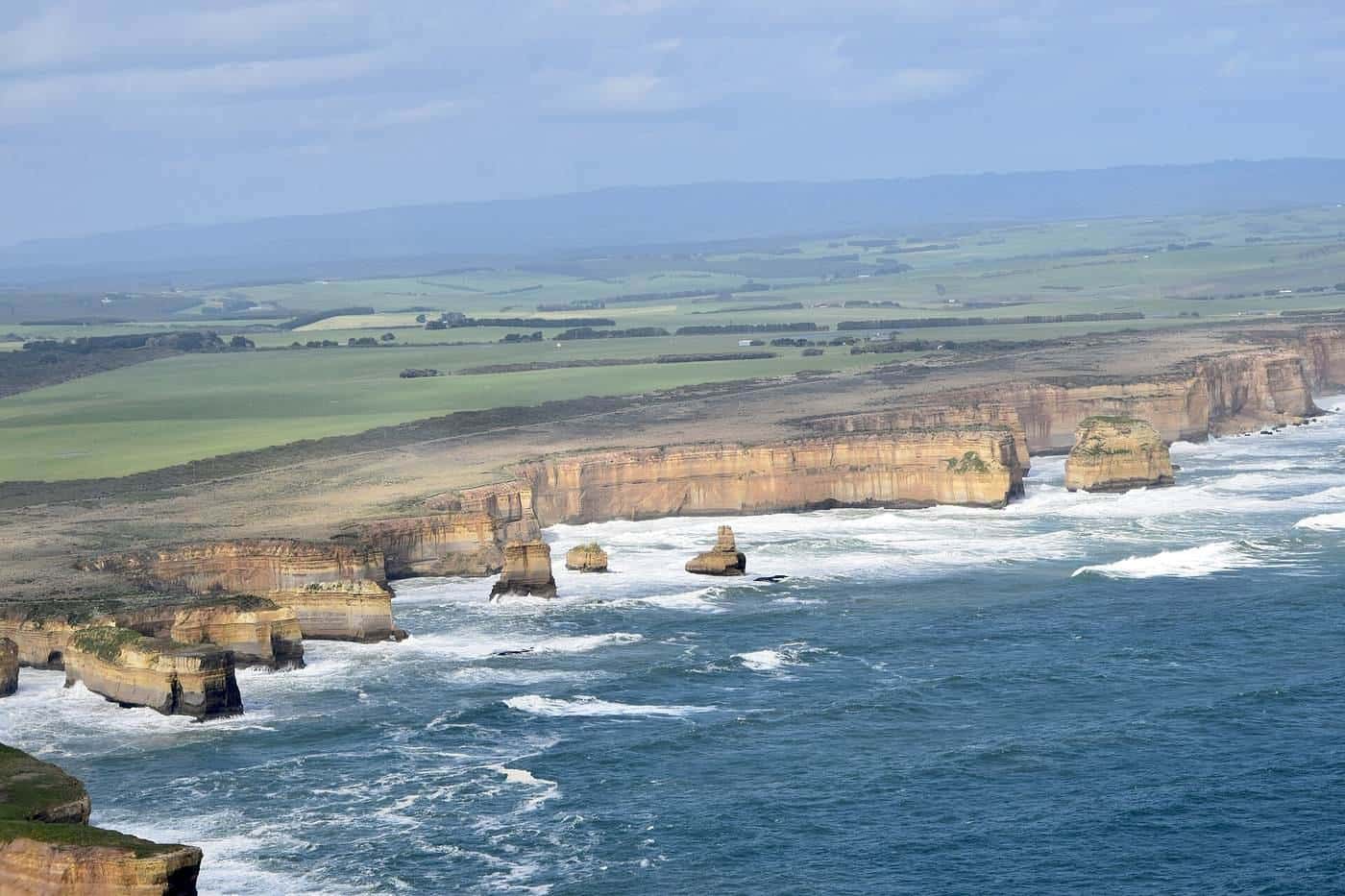
Coastal areas are often windy, particularly on exposed coasts such as the Great Ocean Road and the west coast of Tasmania. Wind affects take-off, landing and comfort, and strong gusty winds near cliffs can cause turbulence. Operators set wind limits for their aircraft and operations.
Bushfire smoke
During bushfire season, smoke can reduce visibility over large areas, sometimes far from the fires themselves. Flights may be delayed or cancelled, and some areas may be closed to aircraft to allow firefighting operations.
Travel insurance
Travel insurance may cover some costs if you miss a flight because of weather or other disruptions, depending on your policy. Check what your policy covers before you travel, including activities such as helicopter flights.
What to do on the day
- Check your phone for messages from the operator before leaving for the helipad.
- If the forecast looks marginal, call the operator to ask whether they expect to fly.
- Be patient if your flight is delayed; conditions often improve.
- Have a backup activity planned in case you can't fly.
Rebooking strategies
If your flight is cancelled, ask whether you can move to a later slot the same day or the next morning. Booking on your first day at a destination gives you time to rebook before you leave. Keep your plans flexible, and ask about the operator's policy for partial refunds if weather shortens a flight.
Seasonal patterns around Australia
Weather patterns vary greatly across Australia. In the tropical north, including the Kimberley, Top End and far north Queensland, the wet season brings heavy rain, storms and cyclones, and many scenic flights reduce their schedules or close entirely for part of the year. The dry season is generally the most reliable time to fly there. In the southern states, winter brings more cloud, rain and wind, especially on exposed coasts, while summer can bring heat, thermals and bushfire smoke. Central Australia has hot summers and mild winters, with cold nights. Check seasonal information for your destination when planning, and ask operators when conditions are usually best. Remember that weather can change quickly anywhere, so flexibility is your best tool. Allowing a spare day greatly improves your chance of flying.
Key points
Weather is the main reason helicopter flights are rescheduled. Pilots consider conditions along the whole route and have the final say. Check the operator's policy, know your consumer rights, book early in your trip and stay flexible.
Frequently asked questions
Why are helicopter flights cancelled when it looks fine?
Conditions at the landing site may look fine, while low cloud, wind, turbulence, poor visibility or storms affect the route, the destination or the return flight. The pilot has access to forecasts and reports you can't see, and has the final say.
Do I get a refund if my flight is cancelled for weather?
Most operators offer rescheduling or a refund if they cancel for weather. Check the operator's terms before booking. Under the Australian Consumer Law, you may be entitled to a remedy if a service isn't provided as agreed.
Can I cancel if I'm worried about the weather?
It depends on the operator's terms. If the operator considers it safe to fly but you decide not to, a cancellation fee may apply. Ask about the policy when booking.
What weather conditions stop helicopter flights?
Common reasons include low cloud, poor visibility, strong or gusty winds, turbulence, thunderstorms, heavy rain and, in some areas, smoke or dust. Each operator and pilot has limits for their aircraft and operations.
What happens to vouchers if weather cancels my flight?
Usually, the flight is rescheduled and the voucher remains valid. Check the voucher's terms and expiry date.
How can I reduce the risk of missing out?
Book early in your trip, keep your schedule flexible, choose morning flights where possible and check the operator's weather policy before booking.
Sources and further reading
Facts on this page were checked against these primary and official sources. Conditions change — confirm before you travel or buy.
- Aviation weather — Bureau of Meteorology
- Consumer guarantees — ACCC
- Civil Aviation Safety Authority — Australian Government
- Gift cards and vouchers — ACCC