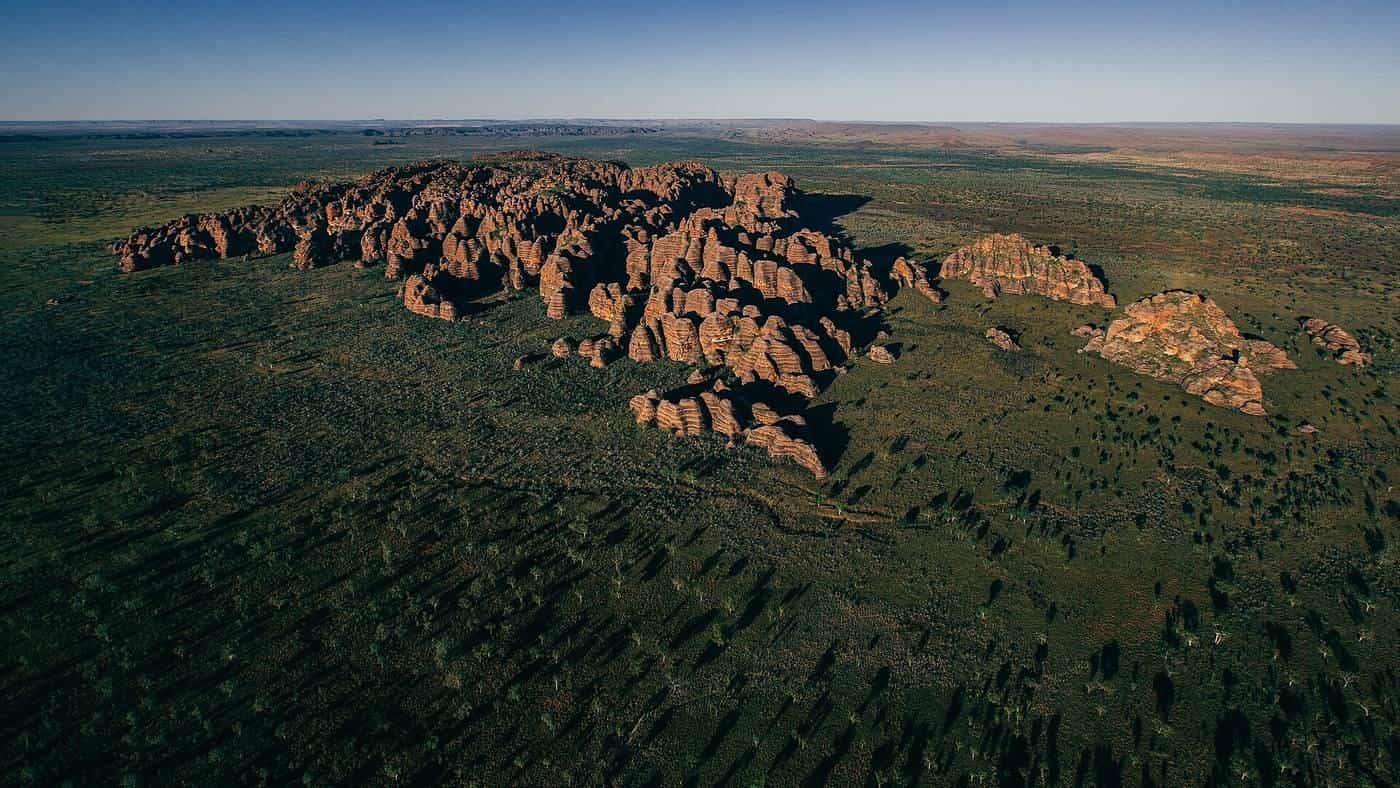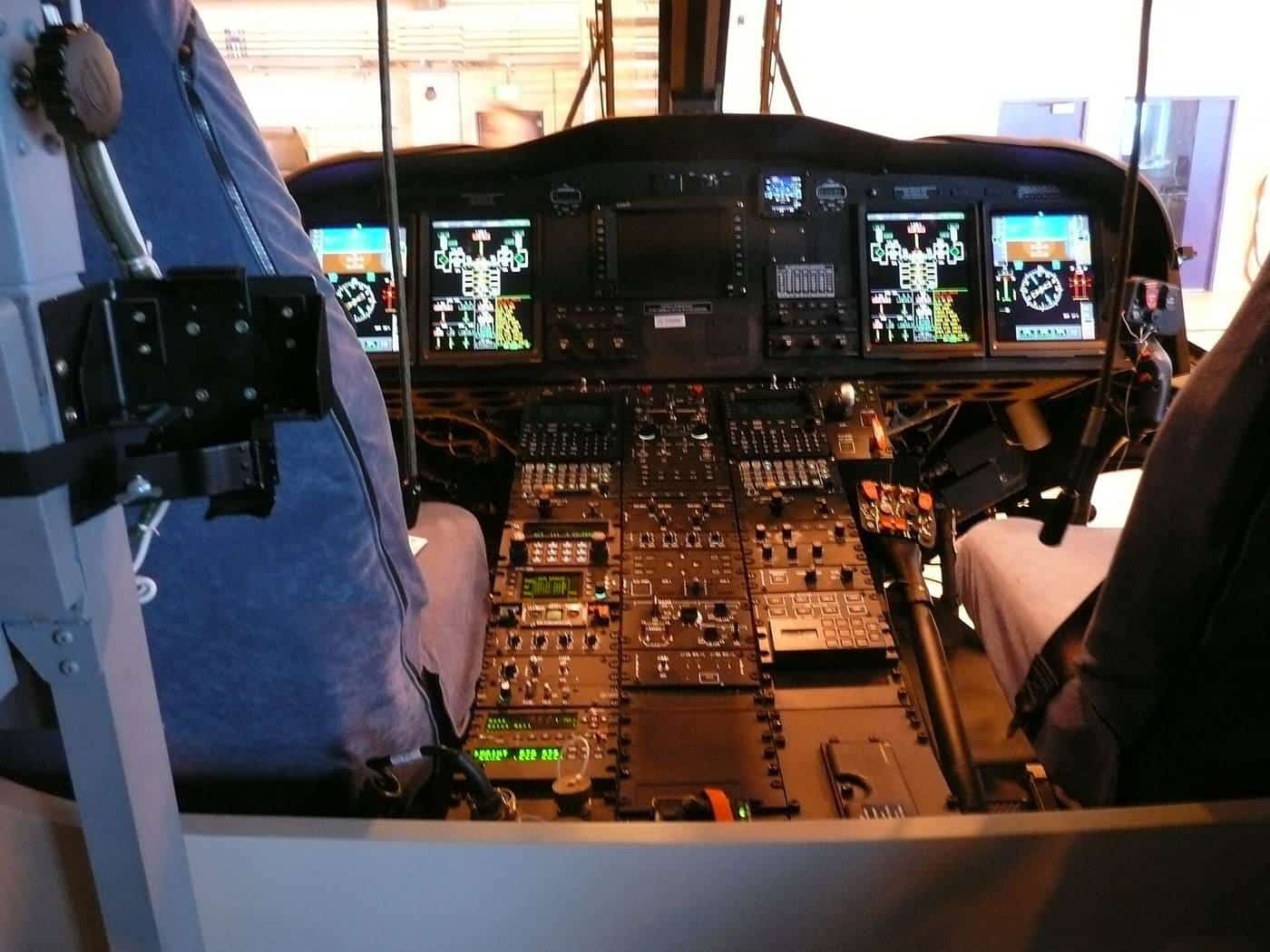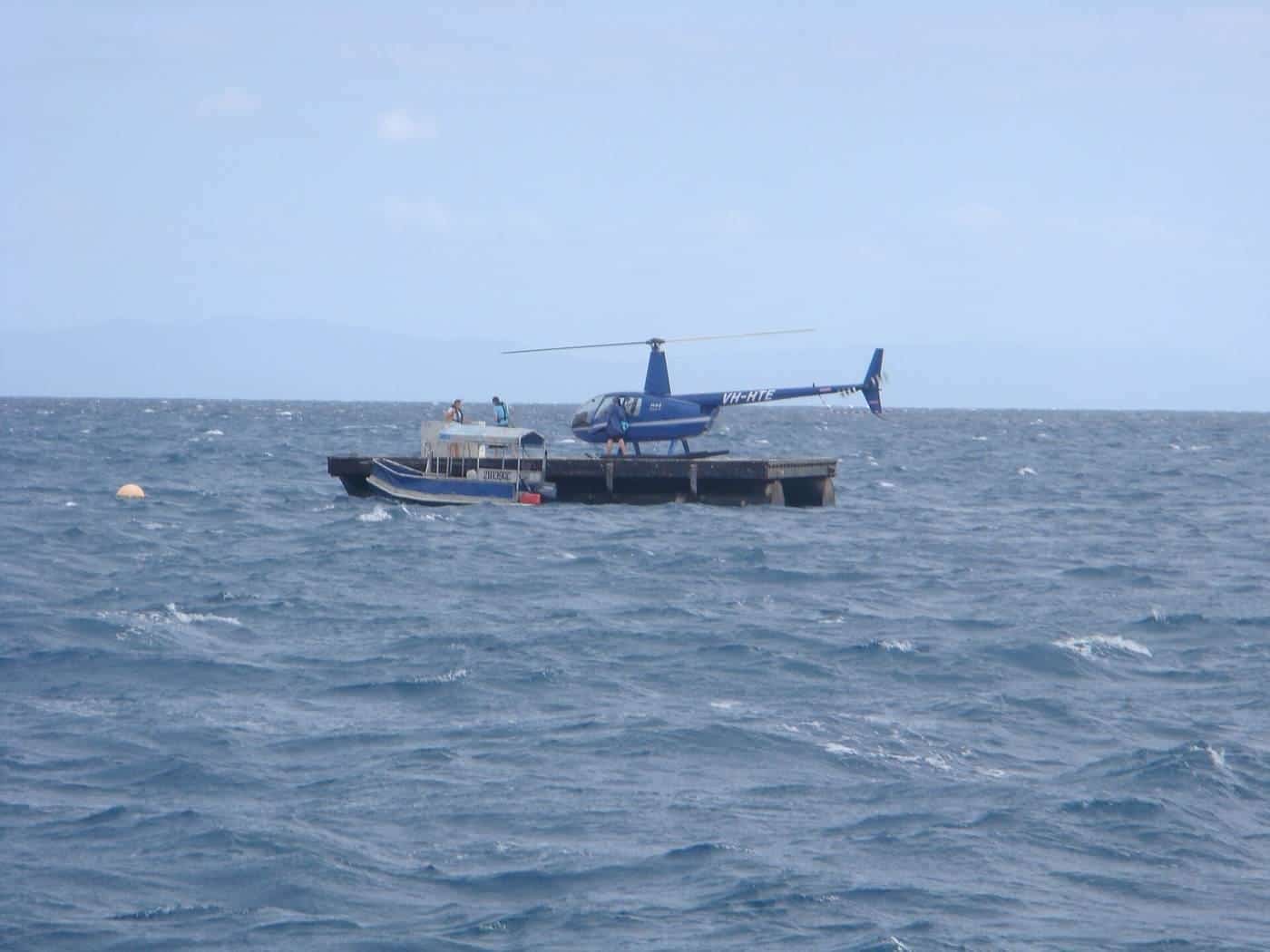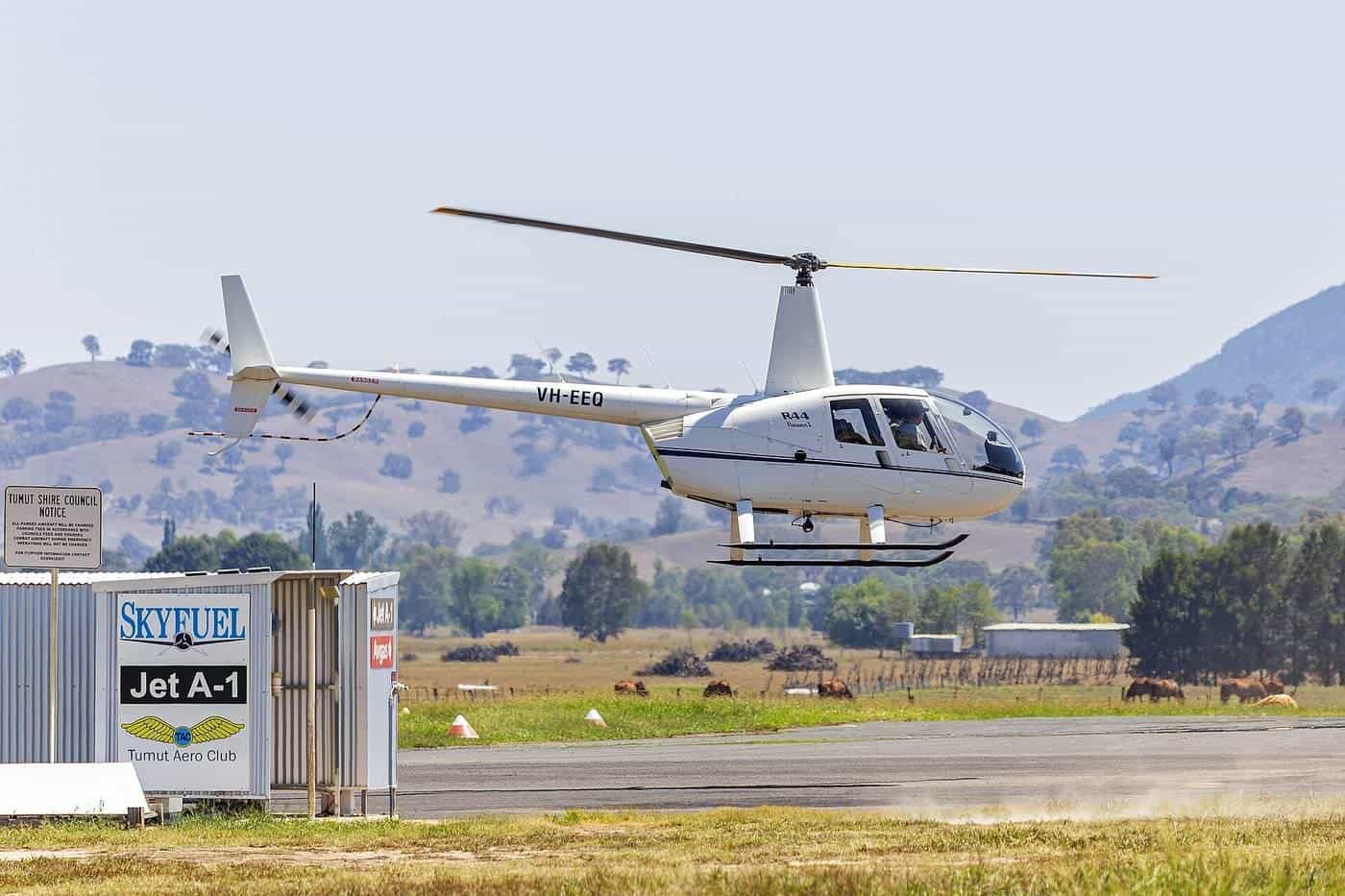
CASA’s scenic-flight consumer advice talks about aircraft generally: advertised scenic flights are air transport, with a commercial pilot and an AOC holder behind them. That frame covers both rotorcraft and aeroplanes. Your choice is a viewing and landing choice.
Pattern
Often a plane strength
Reef, desert, big ranges
Close and slow
Often a helicopter strength
Coasts, landings, harbours
Same law
Scenic = air transport
When advertised and sold as scenery
When helicopters earn their keep
- landing at a tight, permitted site
- a slow pass along cliffs or a harbour
- hovering or remaining in a viewing position (when the product and rules allow)
- pads that are not runways
Sydney Harbour, the Apostles, and many picnic products are in this column more often than not.
When aeroplanes earn theirs
- long transits over reef or desert
- showing the maze of Purnululu or a reef mosaic as a map
- groups that would otherwise need two helicopter lifts
- airstrips that already exist for park access
A high-wing window seat over Uluru or the reef can be the better photograph. That sentence would infuriate a helicopter brochure. It is still true on some days.
Cabin and sensation
Helicopters: more vibration, a different smell of oil and heat, a view that can include down, a boarding ritual around rotors. Aeroplanes: a take-off roll, a different kind of bump, often more conversation space, still a briefing, still belts.
If you are motion-sensitive, neither is automatically kinder. Morning still air helps both.
Safety theatre versus safety
Do not pick a type because an advertisement used the word “safest.” Pick an authorised operator in the landscape you want, then pick the tool they use for that job. ATSB investigates both helicopters and aeroplanes.
Cost drivers, still without numbers
More moving parts, more fuel burn per passenger, fewer seats — those are the usual reasons a helicopter quote is higher. A plane that has to fly a long way around weather can erase that difference. Compare the actual quote pair.
Key points
Choose the view and the landing, then the rotor or the wing. The law is the same category when the flight is sold as scenery. The brochure is not.
Harbour and cliff country
Helicopters usually win the sentence when the postcard is a tight coastal or harbour circuit, or when a landing pad is not a runway. That is why Sydney and the Apostles conversations default to rotors. It is still legal to see some coasts from a plane if a product exists; it is less common in the brochures.
Reef and desert mosaics
Aeroplanes often win the sentence when the point is pattern over a big area. Reef colour, desert inselbergs, Purnululu’s maze — a high wing and a stable cruise can be a kinder camera platform. Helicopters still win if you need to land in a small permitted site.
Motion personalities
Some people hate vibration and tolerate bumps. Some people are the opposite. Neither sentence is a medical rule. Trial and honesty are.
Noise and neighbours
Different aircraft annoy different neighbours. Height rules still apply. Your choice of machine is not a licence to be a better nuisance.
Cost, still without dollars
Fewer seats and more fuel per passenger-minute usually push helicopter quotes up. A long aeroplane sector can still be expensive. Compare the pair you were actually sent.
A decision tree in words
Need a tiny landing: helicopter. Need a map of a huge park: maybe plane. Need Bridge plus Opera House: usually helicopter. Need to move a group of six at once: often plane. Need doors-off: helicopter, specialised. Need a trial instructional hover: helicopter, school, not a tourist loop.
Key points
Same scenic air-transport law when sold as scenery. Different tools. Pick the view, then the rotor or the wing.
Mixed trips
Fly a plane to see Purnululu as a maze, then a helicopter (if offered) for a gorge you want to sit beside. That is matching tools. Insisting every sector be rotors is a personality, not a plan.
Misconceptions
Helicopters are not always closer. Planes are not always cheaper. CASA did not write a tourist exemption for either.
Photography and motion, forced into the open
Doors-off photography is a helicopter specialist product. Reef mosaic photography is often a plane product. Harbour landmark photography is usually a helicopter product with doors on. If your identity is ‘I only fly helicopters’, you may still be choosing the worse camera for Purnululu. That is allowed. It should be conscious.
Motion: sit in the morning if you can, eat lightly, look at the horizon, tell the crew. Type of aircraft is a secondary bet compared with air mass and your own history of carsickness. healthdirect remains the medical explainer; this remains not a clinic.
Choosing the tool without a brand personality
Start with the picture you need. Tight harbour landmarks and a pad that is not a runway usually point to a helicopter. A mosaic — reef, desert, Purnululu’s maze — often points to a high-wing aeroplane that can cruise, carry more people, and present a stable window. A landing on a permitted speck of dirt points back to a helicopter. A group of six who refuse two lifts points toward a plane if the product exists. Doors-off points to a specialised helicopter cabin. A trial hover points to a school helicopter, not a tourist loop.
CASA’s scenic-flight consumer advice does not crown a winner. Advertised scenic flights are air transport in either machine when they are sold that way. A commercial (or higher) pilot and an AOC holder still sit behind the ticket. ATSB investigates both. Your family group-chat should not.
Motion is personal. Helicopters vibrate as a condition of existence. Light planes bump in turbulence. Morning still air helps both. healthdirect remains the general medical explainer for nausea. This site remains not a clinic.
Cost, without dollars: fewer seats and the way helicopters burn time and fuel often make rotor quotes higher per passenger-minute. A long aeroplane transit can erase that. Compare the two quotes you have, on minutes and route, not a proverb.
You may mix tools across a Kimberley or reef trip. That is not indecision. That is matching. What is indecision is insisting on rotors because of a film, then complaining that the maze was too fast and too far. Pick the view, then the wing or the rotor, then the authorised operator.
Field notes for people who book once
Treat this page as a briefing you can reread the night before money moves. Official sources still win if they disagree with a sentence we wrote last season: CASA for scenic air-transport rules, ATSB for public investigations, BOM for aviation weather, the park or marine-park manager for the ground, the ACCC for consumer-guarantee language. Operators win on the live AOC, the live minutes, and the live no-go.
Write four lines in your notes app: airborne minutes, named landmarks or landing, private or shared, AOC holder. If you cannot write those four, you are still shopping adjectives. Prices, which we will not invent, only make sense after the four lines. Weather slack is a fifth line that saves more holidays than a discount code.
On the day, the passenger job is small on purpose. Honest mass. Briefing. Walk when waved. Seat as assigned. Headset. Stay until waved off. Children hold hands. Nothing loose on the pad. No argument with a tail rotor or a cloud cap. If you freeze, say so. If you feel sick, say so. If the desk cancels, eat breakfast and use the clause you copied.
After you land, the place is still a park, a harbour, a marine park, or someone’s farm. World Heritage logos are conservation listings, not stunt permits. Walk where walking is the respectful way. Hydrate if the rest of the day is hot. Do not sprint to a restaurant you booked six minutes after a Southern Ocean slot. That is the whole method, from scenic-flights/helicopter-vs-aeroplane back to the home page and the FAQ.
Pick the mosaic or the tight postcard first, then the wing or the rotor.
Tight postcard and tiny pad: rotor. Mosaic and airstrip: maybe wing. Group of six: count seats. Doors-off: specialised helicopter. Trial hover: school, not tour. Same advertised-scenic law either way. Pick the view first so the machine is a tool, not a personality.
A mixed Kimberley or reef trip can use both machines without you having failed a personality test. Matching tools is the point of this guide. Brochures that crown a winner are selling paint.
View first, machine second, authorised operator third. Harbour postcards usually want rotors. Desert and reef mosaics often want a high wing. Both are scenic air transport when advertised that way.
Same law, different tools
CASA’s scenic-flight consumer advice does not crown helicopters over aeroplanes. Advertised scenic flights are air transport in either machine. A commercial (or higher) pilot and an AOC holder still sit behind the ticket. ATSB investigates both. Your family group-chat should not.
Use a helicopter when the picture is a tight postcard and the pad is not a runway: Sydney Harbour landmarks, a permitted dirt landing, a doors-off cabin. Use a high-wing aeroplane when the picture is a mosaic — reef, desert, Purnululu’s maze — and you need cruise, seats and a stable window. Motion is personal: rotors vibrate; light planes bump. healthdirect remains general medical information for nausea; this site is not a clinic. Cost, without dollars: fewer seats often make rotor quotes higher per passenger-minute; a long aeroplane transit can erase that. Pick the view first so the machine is a tool.
Questions people ask
Is a helicopter always better for scenery?
No. A high-wing aeroplane is often excellent for pattern — reef, desert parks, ranges — and may carry more people per departure. Helicopters shine when you want a slower, closer look or a landing away from an airstrip.
Which is bumpier?
It depends on the day, the altitude and the aircraft. Small helicopters feel vibration as a constant. Light planes feel turbulence as bumps. Neither is a lounge.
Which is cheaper?
We do not publish fares. Helicopters often cost more per passenger-minute because of how they are operated. Compare quotes on minutes and cabin, not folklore.
Sources and further reading
Facts on this page were checked against these primary and official sources. Conditions change — confirm before you travel or buy.
- Scenic and joy flights — CASA
- Rules for scenic flights — CASA
- ATSB — Australian Government
- Aviation weather — BOM