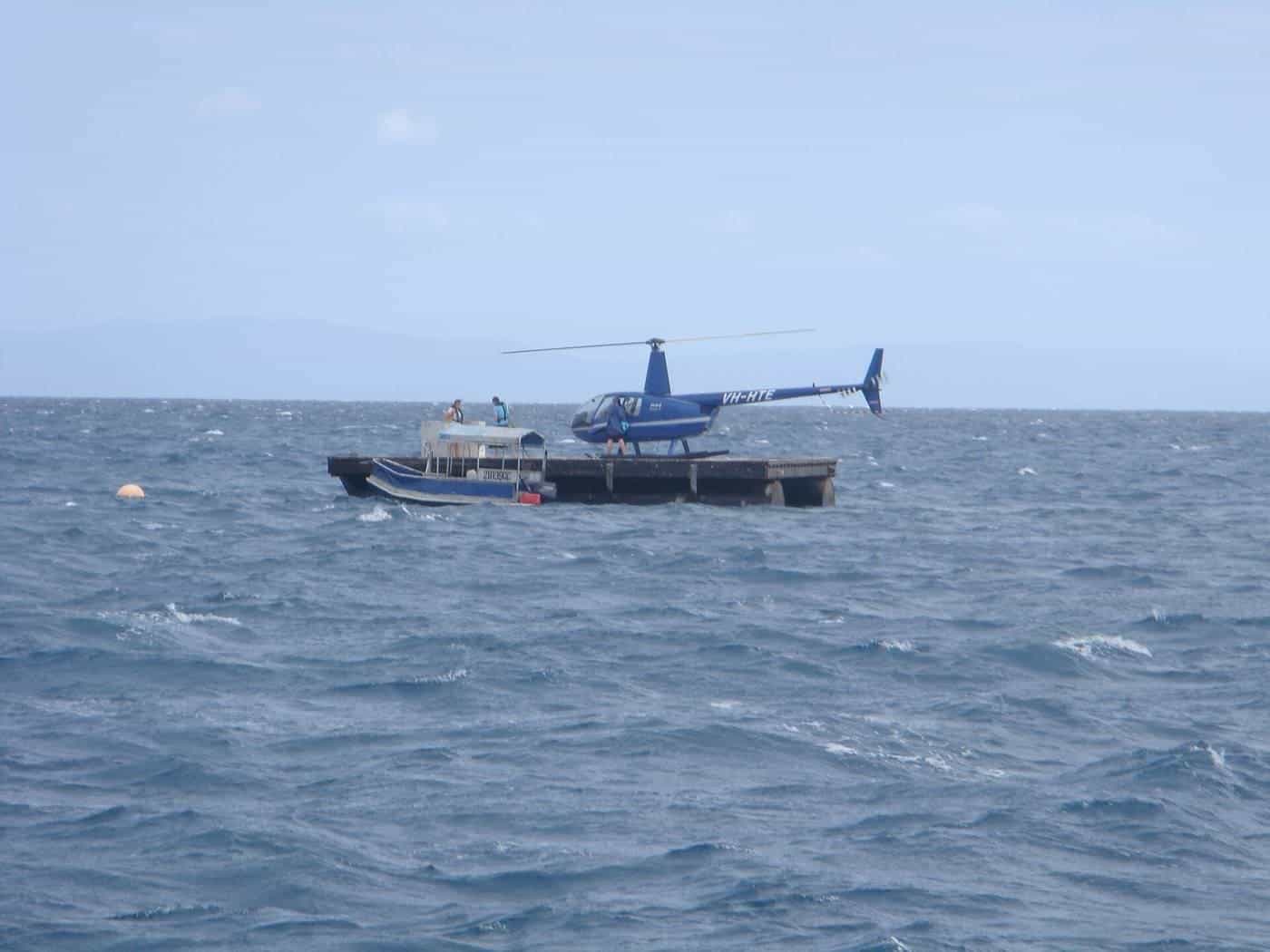
From the passenger seat, a well-run scenic flight looks simple. That simplicity is the product of a briefing, a weight sheet, a walk-around you may not see, and a pilot who will not take off to keep a restaurant booking.
This hub is the day itself. The long what to expect guide walks the sequence. Weight, balance and seating explains why the smallest person is not automatically given the “best” window.
Briefing
Before every flight
CASA: operators must brief passengers
Weight
Declared, often checked
Balance is a limit, not a vibe
Pilot
Final decision
Weather, load, unserviceability
Booking is already part of the flight
When you book you are usually asked for names, heights or ages for children, and weights. Some operators publish a maximum per person, or a rule that a passenger above a threshold needs a second seat. Those rules come from the aircraft’s flight manual and the operator’s procedures, not from this website. If you will not share an accurate weight, do not book.
Groups should use the planner on this site only as arithmetic. Confirm seats-per-lift with the company that owns the aircraft.
Check-in and the briefing
CASA’s scenic-flight advice says the operator must fully brief you on safety procedures, and that on a small helicopter the pilot may give that briefing. Typical points: how to approach and leave (usually in the pilot’s view, never via the tail rotor), how belts work, how the headset works, where exits are, and what to do with loose hats, phones and scarves.
Listen even if you have flown before. Different types have different doors and different “don’t touch” zones.
CASA also publishes helicopter passenger information covering downwash — the wind blasted down by the rotors — which can lift dust, hats and light objects on the pad.
Boarding
You wait where you are put. You approach when you are waved. You keep your head down if that is the local instruction, you hold children’s hands, and you do not walk around the tail. Bags that were fine in a hire car may be too loose for a cabin. Cameras need straps.
In the air
Take-off is usually a lift, then a nose-down acceleration. In smooth air the ride is vibration and noise more than rollercoaster. In a hot afternoon inland, or a windy coast, expect bumps. Headsets carry the commentary and, often, your questions — until the pilot needs a quiet moment for radio or a landing.
Photography through perspex works better in dark clothing. Doors-off is a different product with a different briefing.
After landing
Stay seated until you are told. Leave the way you came, still in the pilot’s view. The flight is not over until you are behind the marked line.
How this hub links
Process lives here. Safety is the CASA/ATSB layer. Scenic flights is the product menu. If you are buying for a group, stay for the planner below and then still telephone the operator.
Passenger weights (kg)
Flights needed for your group
2 flights
- 4 passengers, 3 seats per flight
- Total passenger weight: 257 kg
- Everyone is within the per-person limit you entered.
Enter the seat count and weight policy from your operator: they differ by aircraft and company. The pilot decides final seating and may split groups to balance the aircraft. Declare accurate weights when you book.
Key points
Weights, briefing, approach path, assigned seat, headset, stay until waved off. The scenery is the middle of that sentence, not the whole sentence.
A full-day timeline that is still a short flight
06:45 alarm because someone on the internet said sunrise. 07:40 at the pad because the email said 07:45 and you got lost. 07:50 forms and a scale. 08:00 briefing you actually listen to. 08:10 walking when waved. 08:12 belts and headsets. 08:13 lifting. 08:28 landing. 08:31 behind the line. 08:40 coffee. The “hour” was never an hour in the air. It was a professional sequence around a sixteen-minute look. If that disappoints you, you wanted a different product — a landing picnic, a lesson, or a long coastal traverse. If that delights you, you understood the hub.
Headsets, commentary, and silence
Commentary is part of many scenic products and not part of a photographic charter. Pilots also have radios. When they raise a hand or say “stand by,” you stop asking whether that smudge is a whale. Good passengers treat the intercom like a shared room.
Motion, heat, and the horizon
Vibration is normal. Big drops are not the usual scenic story in smooth air. Warm inland afternoons and windy coasts are bumpier. healthdirect’s motion-sickness explainer is general medicine. Looking at the horizon, telling the pilot, and not filming the floor are passenger skills. Medication is a pharmacist-or-doctor conversation.
Groups, again, with less romance
Four adults and two children is not “the helicopter in the photo.” Count passenger seats after subtracting the pilot. Count mass. Book two lifts if the arithmetic says two lifts. The planner on this page is a toy that uses your numbers. The operator’s fleet is the truth.
Accessibility in the real cabin
There is no single accessible scenic helicopter. Some doors are high. Some pads are grass. Some headsets do not fit hearing aids neatly. The honest path is an email with specifics before money moves. Human rights law in Australia frames disability discrimination; the skid is still a skid. Ask.
Linking out, on purpose
Process here. Landscapes in destinations. Product types in scenic flights. Law in safety. If you only remember one extra page after this hub, make it what to expect.
Guides in this section
How tours work
What to expect on your helicopter flight
First-timer sequence for an Australian scenic helicopter flight: weights, check-in, CASA briefing, boarding, headsets, motion, photos, children and getting out again.
Read · 7 min
How tours work
Weight, balance and seating
Why scenic helicopter operators ask for passenger weights, what balance means, extra-seat policies, and how groups should plan lifts — without invented limits presented as national rules.
Read · 7 min
Questions people ask
What should I expect on a scenic helicopter flight?
Expect to give accurate body weights, arrive before the slot, hear a safety briefing, approach the helicopter as directed — usually within the pilot’s view, away from the tail rotor — wear a headset, and sit where the pilot assigns you for balance. The view comes after that.
Why do operators ask for my weight?
Helicopters have strict weight-and-balance limits. Pilots use passenger mass to decide whether the flight can go, who sits where, and how much fuel to carry. Guessing is a safety problem, not a courtesy issue.
Who should think twice before flying?
Anyone who cannot follow a briefing, sit restrained for the sector, or get into that particular cabin should talk to the operator before booking. Some medical devices, late pregnancy, recent surgery and severe motion sensitivity are conversations for your doctor and the operator — not for a website to clear.
What belongs on the how-tours-work hub?
The physics of the day: booking, briefing, boarding, seating, headsets, photography manners, children, and the group-seat puzzle. Regulation sits on the safety hub; landscapes sit on destinations.
Sources and further reading
Facts on this page were checked against these primary and official sources. Conditions change — confirm before you travel or buy.
- Scenic and joy flights — Civil Aviation Safety Authority
- Rules for scenic flights — Civil Aviation Safety Authority
- Part 133 of CASR — rotorcraft air transport — Civil Aviation Safety Authority
- Motion sickness — healthdirect
- Australian Transport Safety Bureau — Australian Government